
Winter changes what people reach for under their coveralls. It doesn’t change what an arc flash does to unrated fabric — and that’s where the risk usually starts.
An arc rating only describes the system as tested — outer garment and everything underneath it. Swap in a base layer that wasn’t part of that test and the number on the label no longer describes what’s actually being worn.
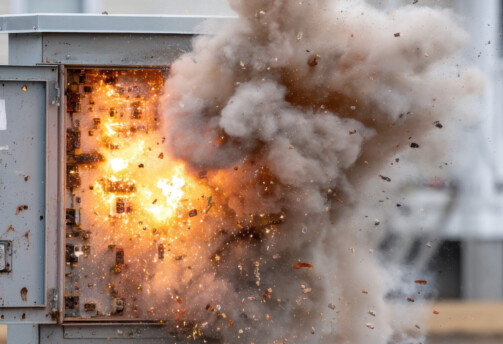
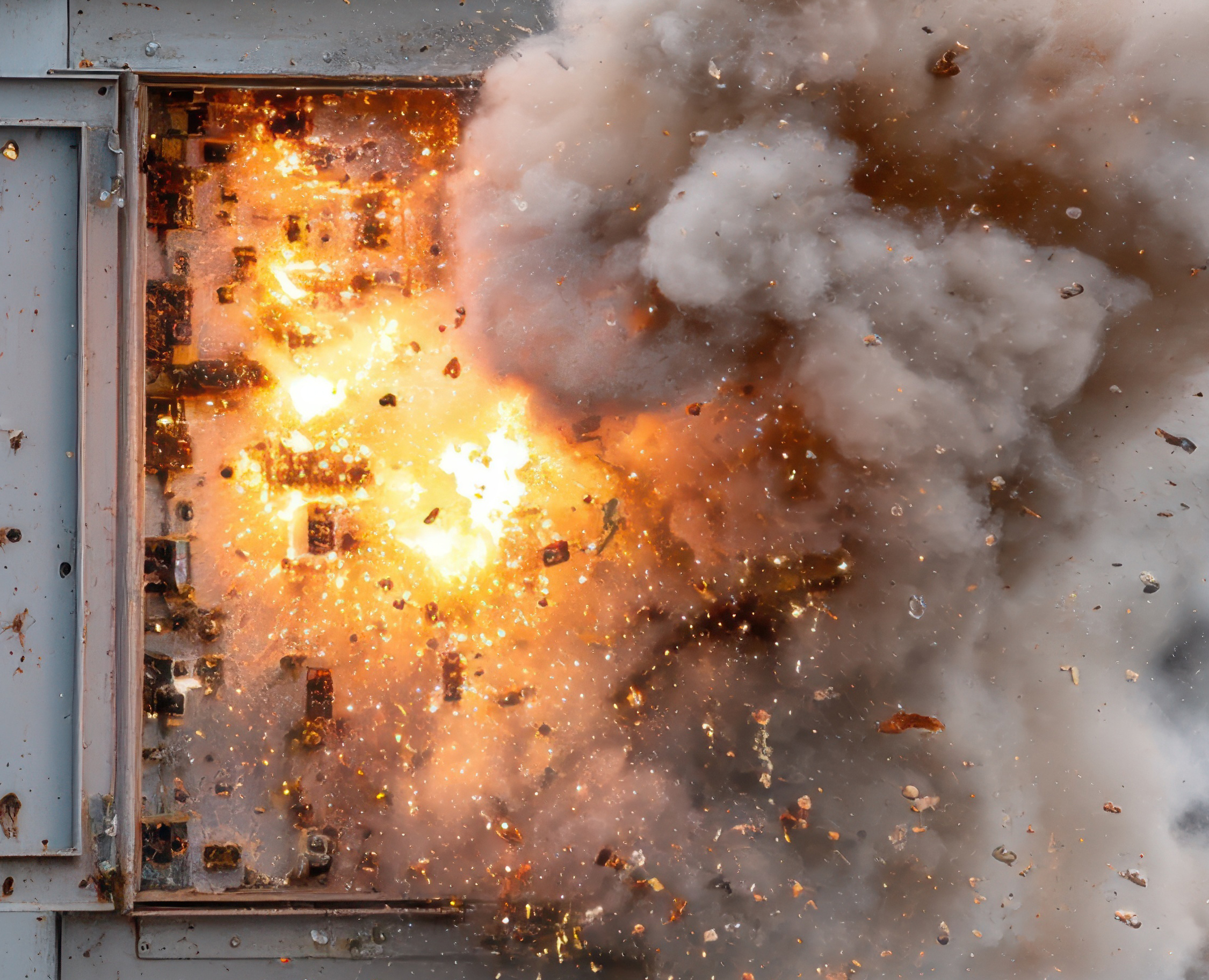
Synthetic fabric is the specific problem. Under arc flash incident energy, synthetic material can melt and bond to the skin, turning a survivable exposure into a far worse burn than the outer garment alone was ever tested against.
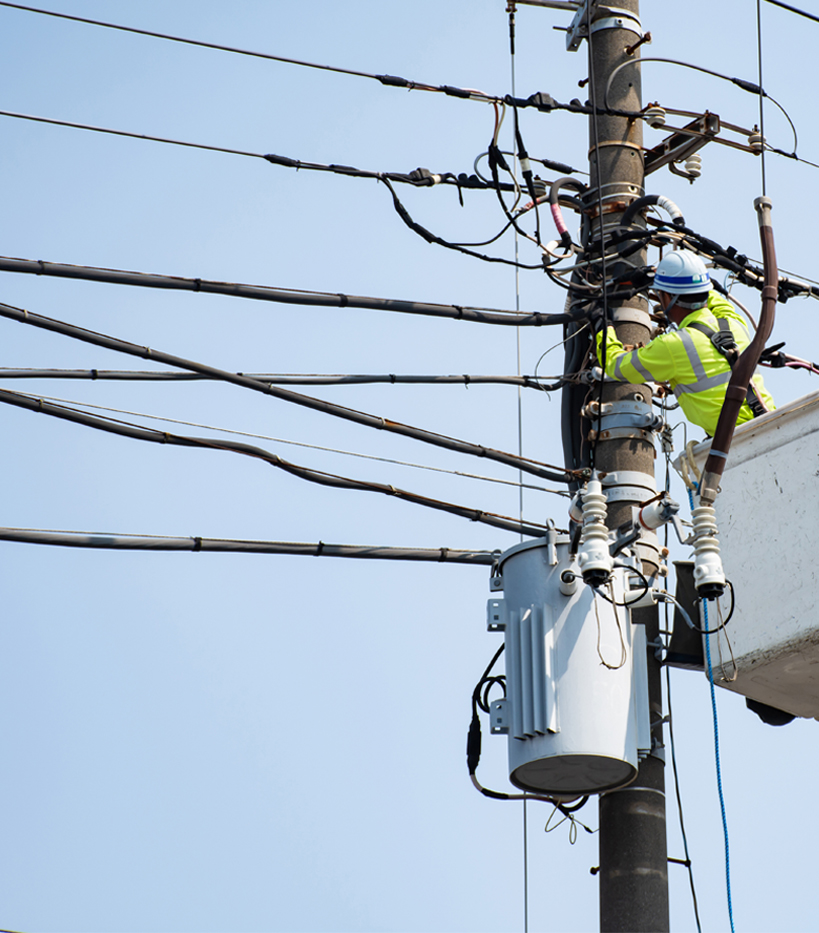
A utility safety team we work with described an incident on one of their sites: a contractor climbed a pole wearing a football-style synthetic jersey as a base layer underneath their certified PPE. When an arc event occurred, the synthetic jersey melted against the skin, causing burns the outer garment was tested to prevent.
The outer garment did its job. What was worn underneath it undid that.
Only if it’s arc rated. This is the same principle covered in our Arc Flash PPE for Extreme Weather guide: an arc rating is tested as a system, not a single garment. Winter raises the stakes because cold is exactly when people reach for whatever base layer is warm, regardless of what it’s made from.
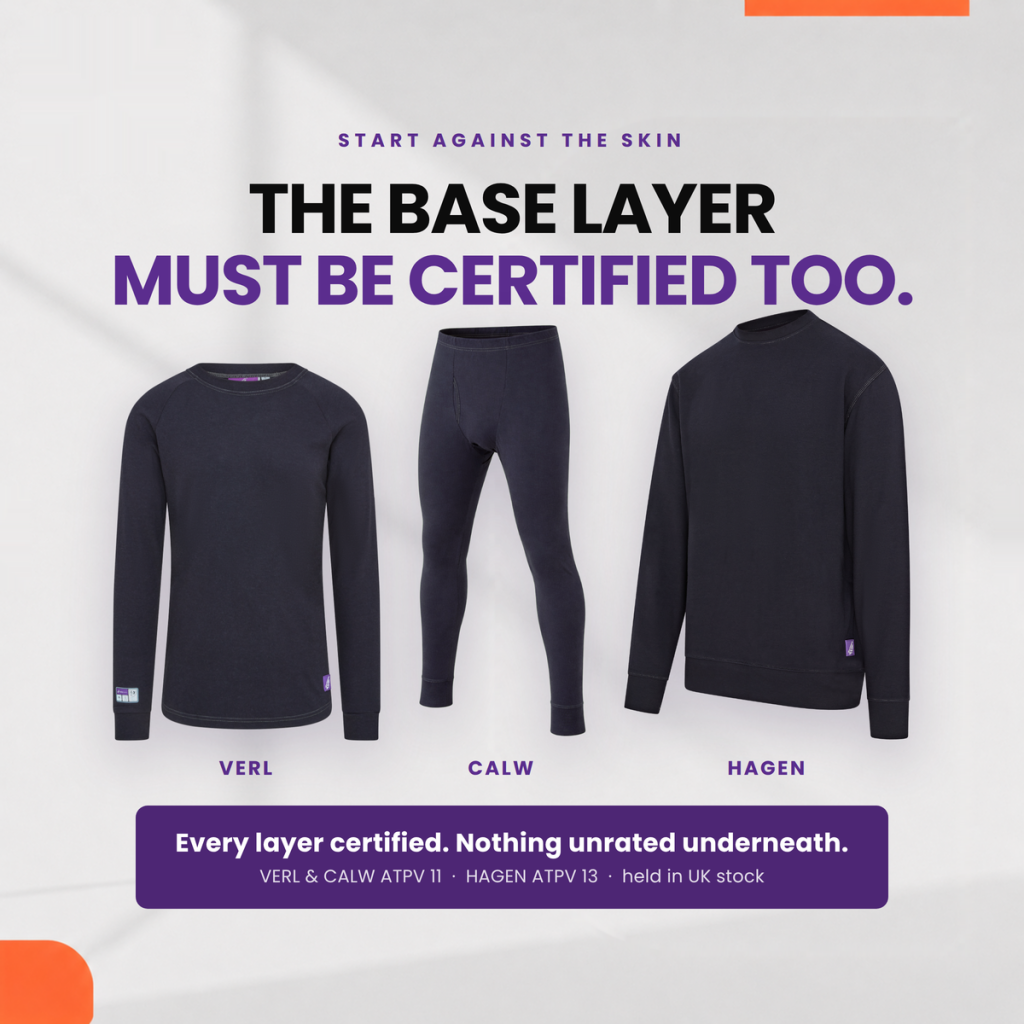
Two, both from inherently protective fibre rather than a treated finish that can wash out over time:
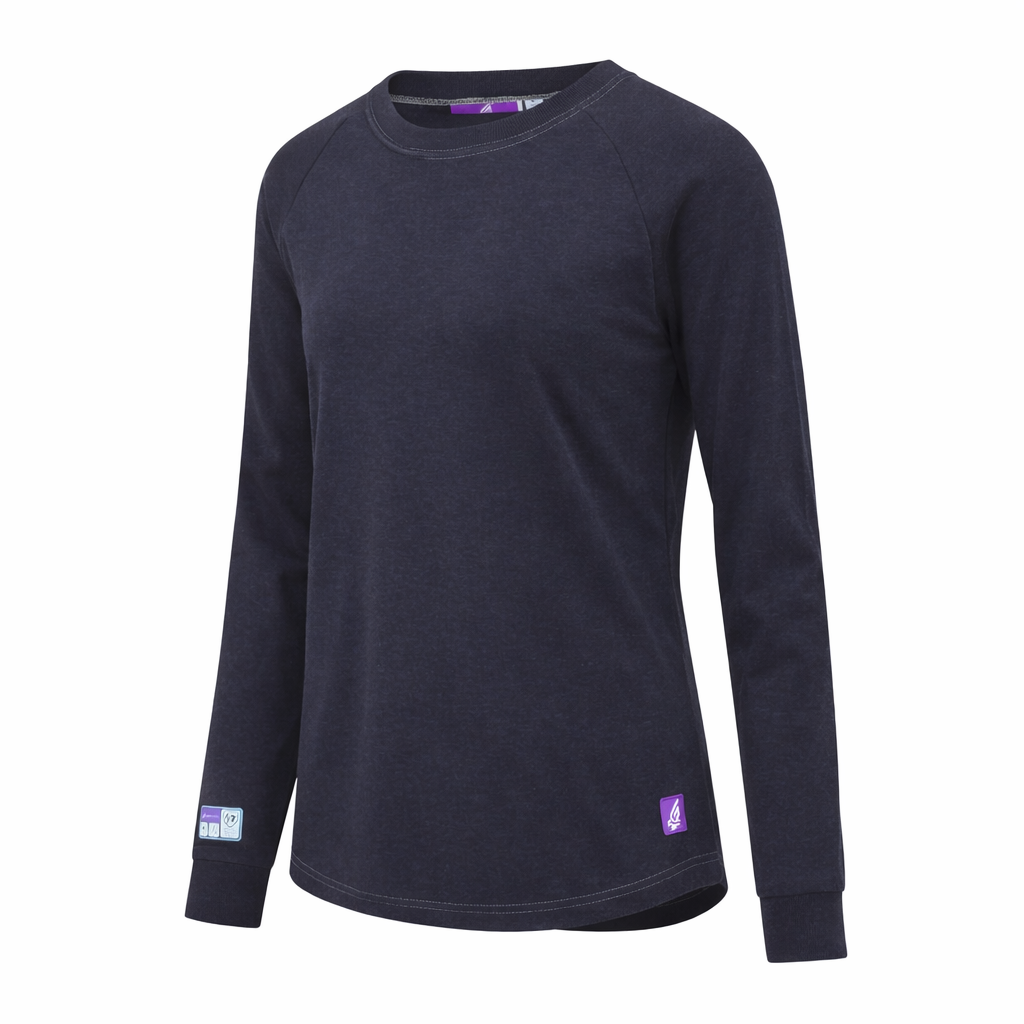
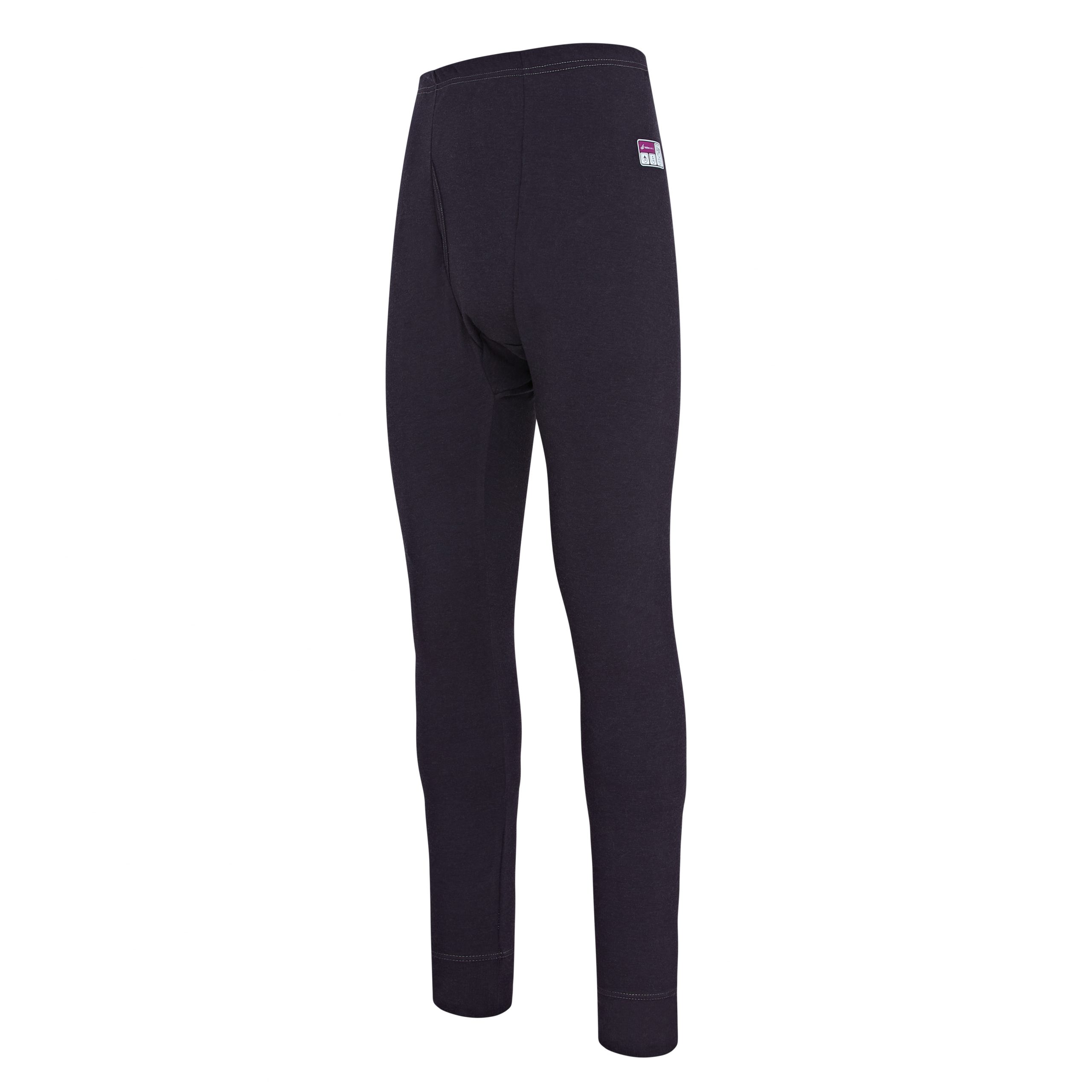
Both sit directly against the skin under a certified outer layer, closing the gap that caused the incident above.
A mid-layer, also arc rated, sitting between the base layer and the outer shell — or standing in as the outer layer itself where a jacket suits the job better than a full coverall:

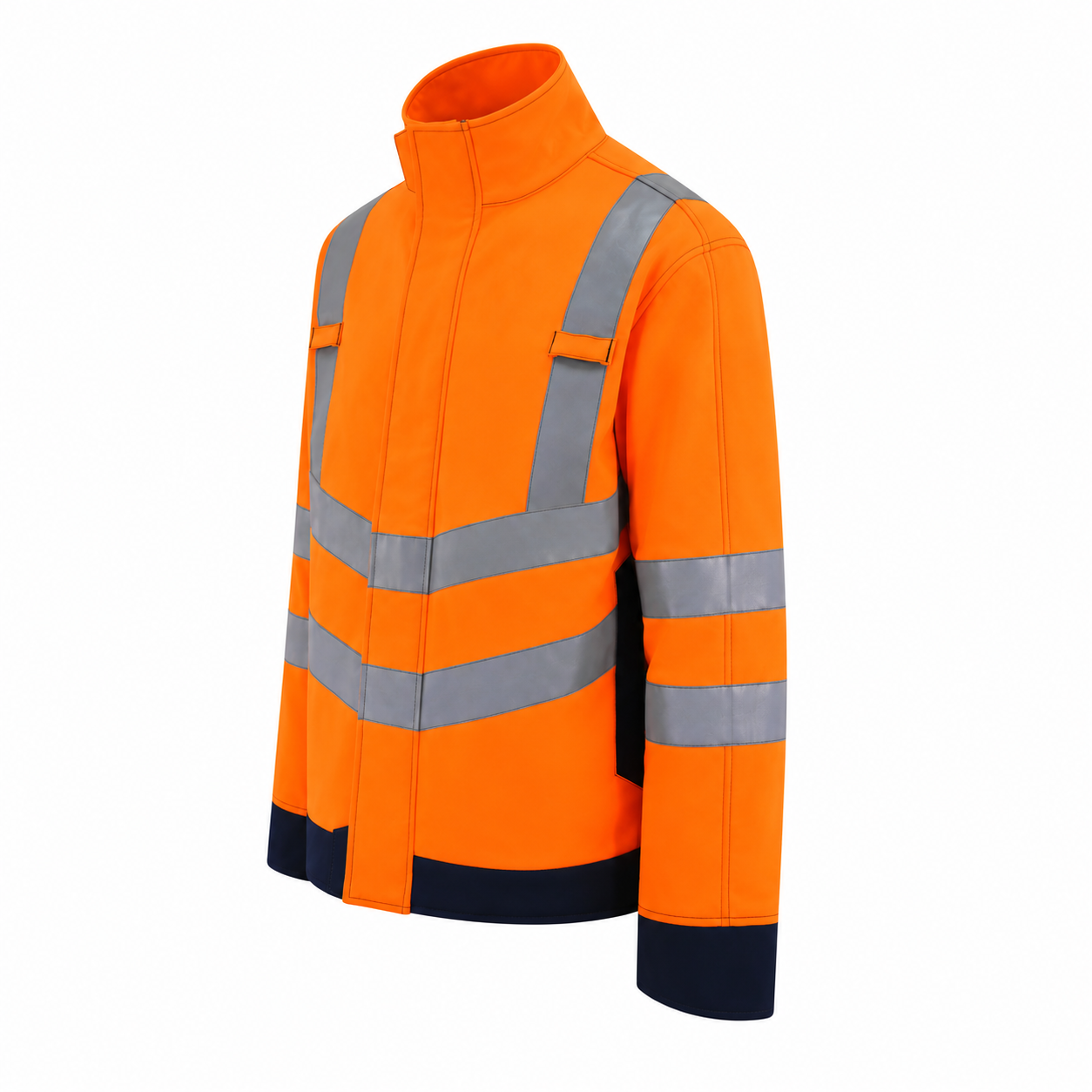
Base layer, mid-layer where needed, certified outer garment — every piece rated, so the system on the label is the system actually being worn. For the full range and how to specify the outer garment itself, see Arc Flash Garments.
Request a quote for a winter kit, or browse the range at vailos.co.uk/shop.