
Arc Flash PPE for
Extreme Weather
Cold, heat and rain all change how arc-rated clothing performs on site. Here’s what to specify so protection never gets left in the van.
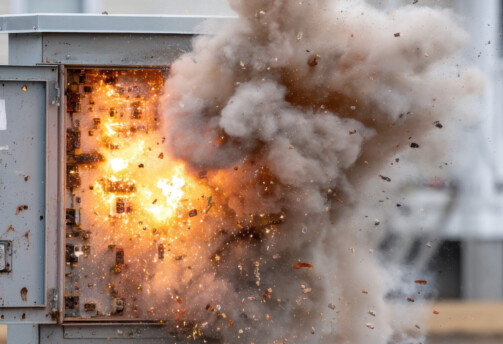
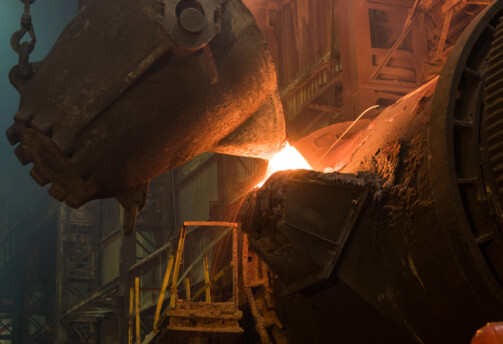
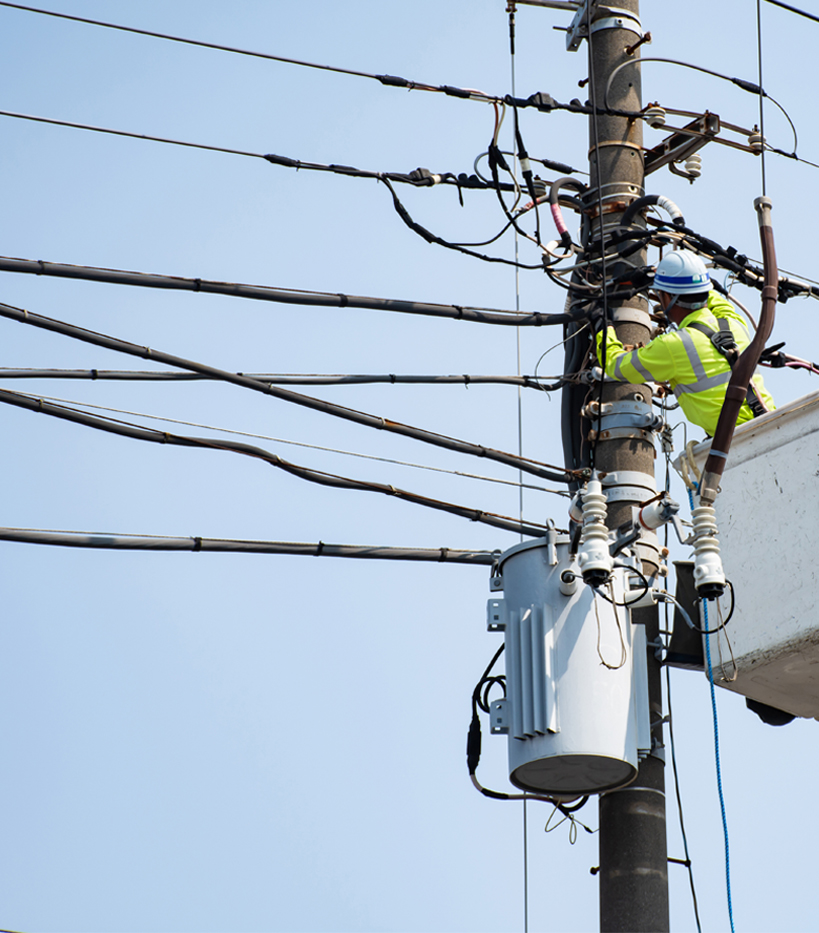
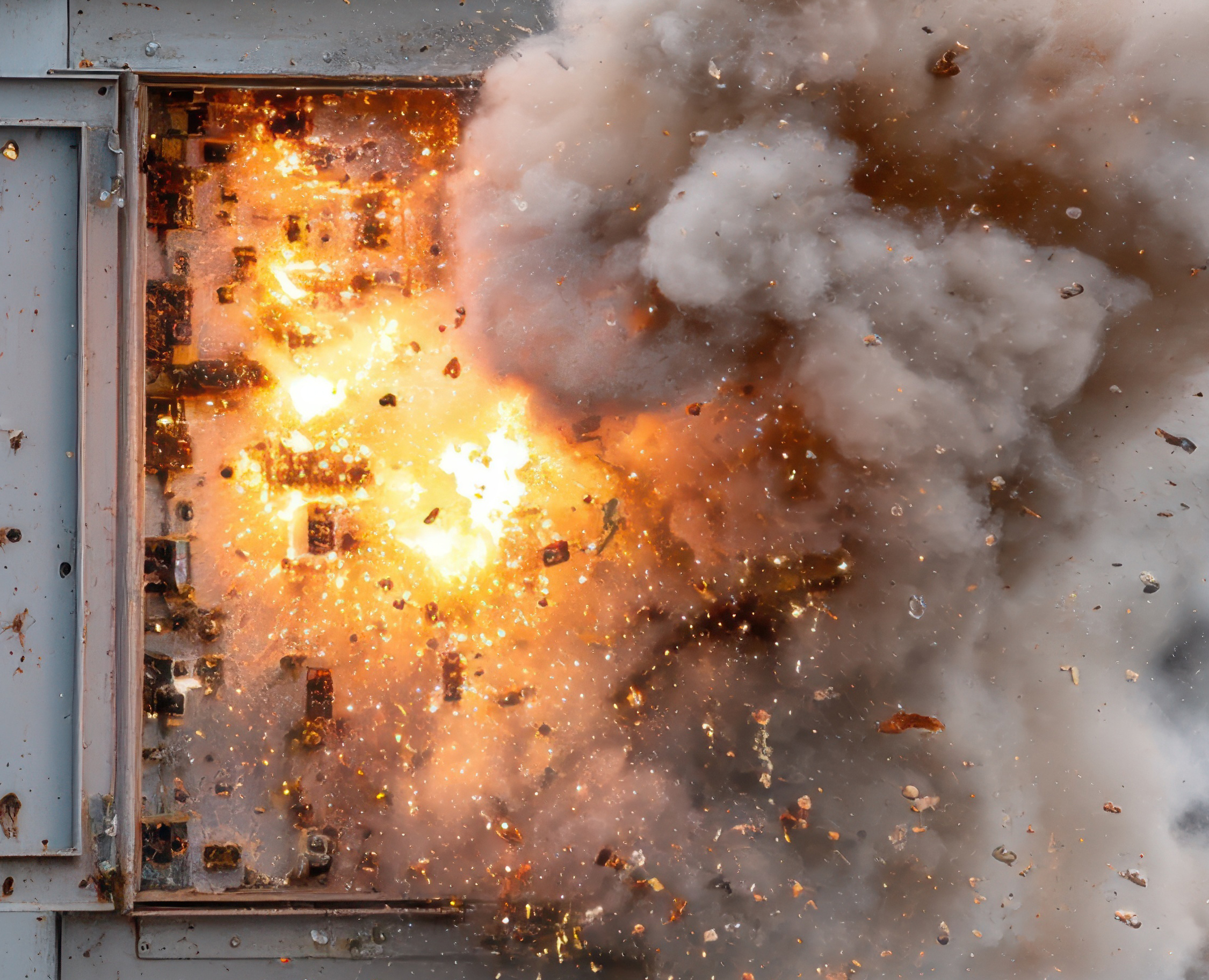
Most arc flash risk assessments size clothing for the electrical hazard and stop there. That’s correct as far as it goes – but a coverall rated for 10 cal/cm² still has to be worn on a January substation visit at −5°C, or a July switchroom where the ambient temperature is already pushing 30°C before anyone puts a single layer on. Arc flash PPE for extreme weather means treating temperature, wind and moisture as design inputs, not an afterthought solved by whatever the wearer grabs on the way out.
Get it wrong in either direction and the PPE gets left behind, worn incorrectly, or layered with whatever’s on hand – none of which are outcomes a specification exercise is supposed to produce.
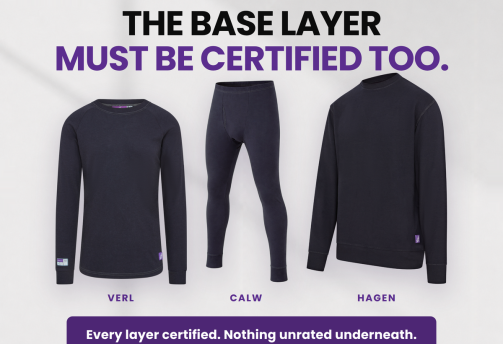
The rule that matters most: anything added for warmth has to be part of the arc-rated system, not bolted on underneath it. A non-FR fleece or base layer can melt onto skin in an arc event even when the outer garment performs exactly as certified.
The honest answer to “can I wear something warm underneath?” is: only if that something is inherently FR and arc-rated in its own right. Vailos builds cold-weather accessories – merino wool neck warmers, base layers, beanies – from inherently flame-retardant, anti-static fibre for exactly this reason. The VAILOSg VIERNHEIM neck warmer, for example, is rated ELIM 6.1 cal/cm² with APC 1 box-test performance, so it adds warmth around a genuinely exposed area (the neck, under a hood or collar) without introducing a weak point in the system.
Helmets and hard hats matter here too. Vailos arc flash helmets carry a −30°C low-temperature shell classification under EN 397, which is the difference between a shell that stays impact-resistant on a frozen morning and one that becomes brittle exactly when a dropped-tool risk is highest.
An arc rating is tested as a system. The moment you add an unrated layer underneath it, you’re no longer wearing the system that was tested.
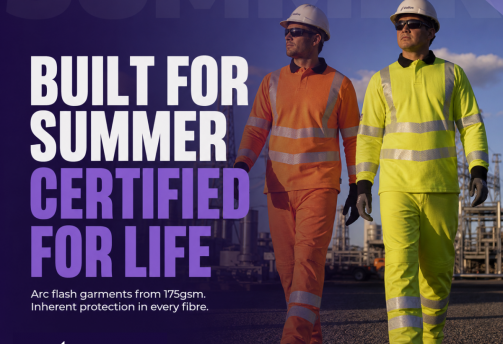
Cold gets the attention, but heat stress is the more common real-world failure mode. Arc flash coveralls are inherently heavier and less breathable than everyday workwear, and a high-cal system worn correctly is still a multi-layer barrier against airflow. On a hot day, or inside plant rooms with poor ventilation, the practical risk shifts from the electrical hazard to dehydration, fatigue and heat illness – and a fatigued worker is a worker more likely to take a shortcut around the actual arc flash procedure.
Removing a layer to cool down defeats the point of the system just as surely as adding an unrated layer for warmth does. If heat is a recurring problem on a specific task, the fix is a lighter-rated garment suited to that task, breathable fabric selection, or work/rest scheduling – not partial PPE.
This is also where waterproofing earns its place in the specification. A worker who’s wet through from rain works harder to stay warm, tires faster, and is more likely to compromise the layering rules above out of simple discomfort. Waterproof-rated arc flash outerwear keeps the temperature-management problem from getting worse before it’s even started.
The practical fix is simple to state and easy to skip under time pressure: decide the temperature range a role actually works in before the PPE is ordered, not after the first cold snap or heatwave. That means checking helmet shell low-temperature ratings, choosing FR-certified thermal accessories rather than assuming any warm layer will do, and picking waterproof-rated outerwear for anyone regularly exposed to the weather rather than treating it as optional.
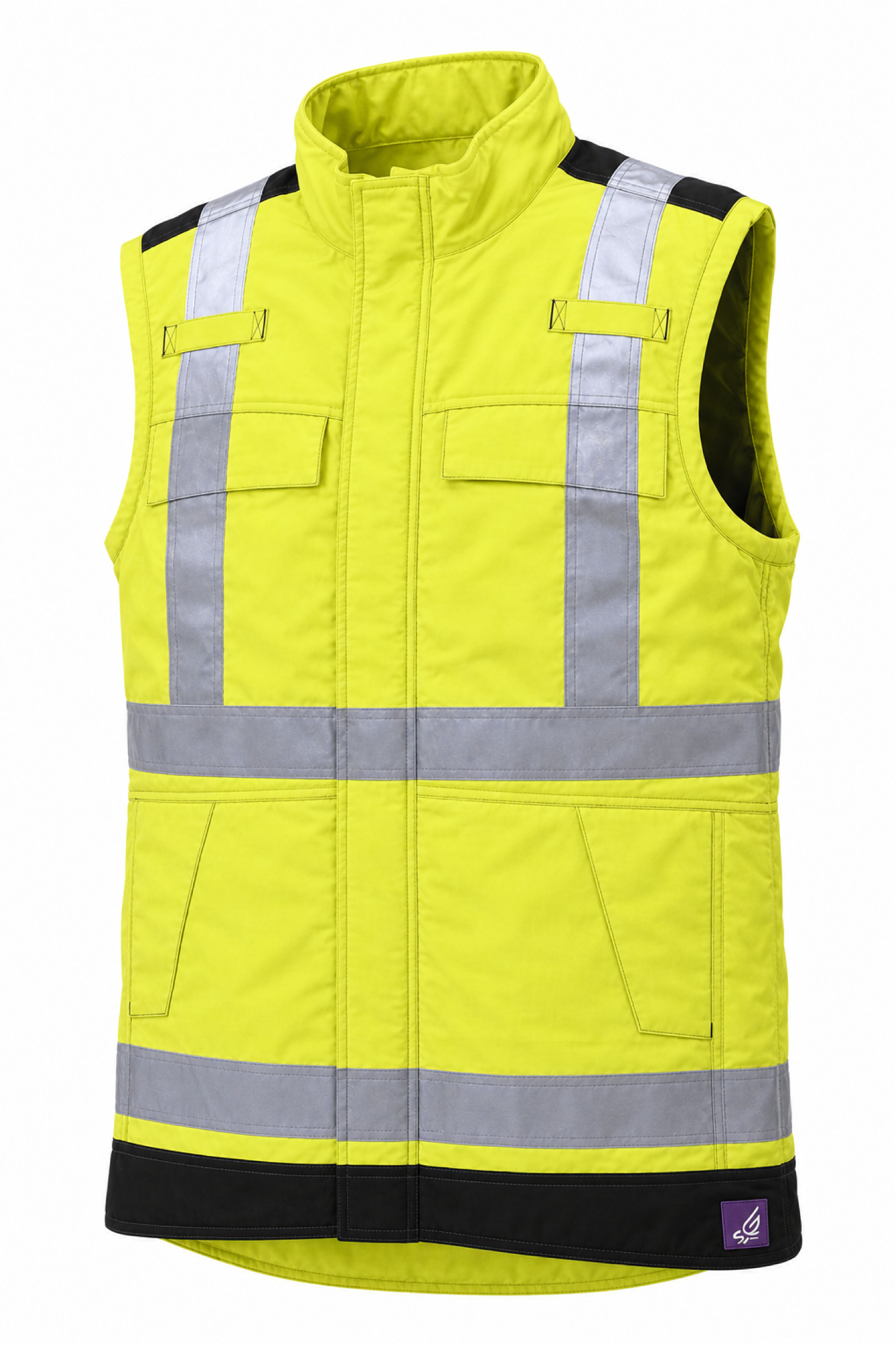
A flame-retardant quilted bodywarmer made to go over arc flash coveralls and jackets for warmth – without adding an unrated layer or restricting arm movement.
View product →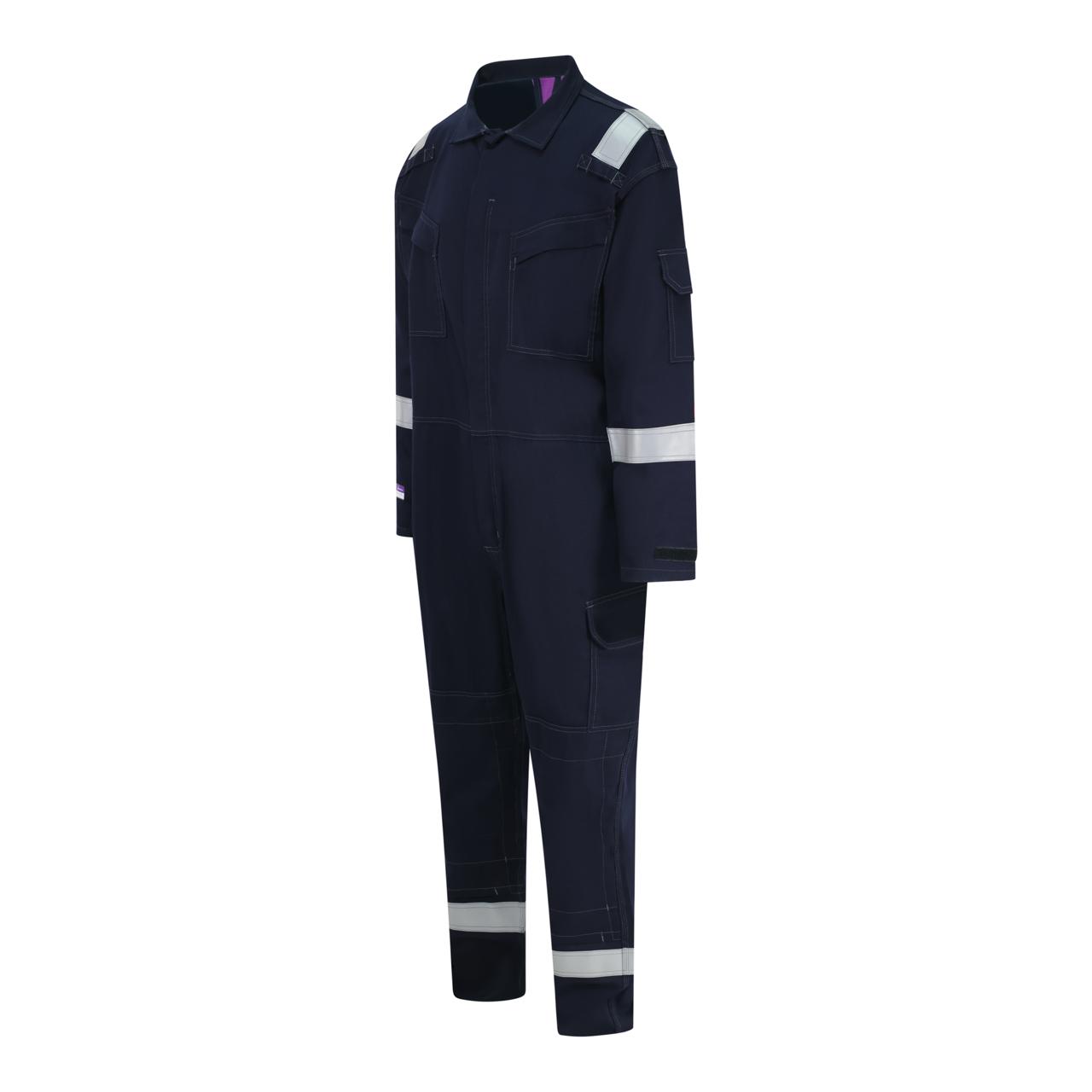
A Nordic-fit coverall built for cold-climate sites, with external kneepad pockets and rip-stop fabric that holds up to repeated cold-weather wear.
View product →Specify PPE for the conditions your team actually works in
Does cold weather affect arc flash PPE performance?
Cold itself doesn’t reduce a garment’s arc rating, but it changes what workers do around the PPE – adding unrated layers, or wearing a helmet shell that hasn’t been rated for low temperature. Specify FR-certified thermal accessories and a helmet with a stated low-temperature classification (Vailos arc flash helmets are rated to −30°C under EN 397) rather than leaving it to the individual.
Can you layer extra clothing under an arc-rated coverall?
Only if the extra layer is itself inherently FR and arc-rated. A non-FR base layer or fleece can melt onto the skin during an arc event even if the outer coverall performs exactly as certified, because the system was tested as worn – not with an unrated layer added afterwards.
What temperature range is Vailos arc flash PPE rated for?
It depends on the garment and component. Vailos arc flash helmets carry a −30°C low-temperature shell classification under EN 397. For clothing, the relevant factor is usually the accessory layer (thermal base layers, neck warmers) being FR-rated in its own right, rather than a single blanket temperature figure across the whole range.
Is heat a bigger risk than cold with arc flash PPE?
In practice, yes, more often. Arc-rated coveralls are heavier and less breathable than everyday workwear, so heat stress and fatigue are the more common real-world failure mode. The fix is breathable fabric selection and work/rest scheduling for hot conditions – never removing a layer of PPE to cool down.
Built for the site,
not just the spec sheet
Talk to us about layering, low-temperature ratings and waterproofing before the next cold snap or heatwave catches a crew unprepared.