
Full-Layer Arc Flash Protection:
Why Every Clothing Layer Must Be Arc-Rated
Arc-flash events generate temperatures exceeding 19,000 °C. One unprotected layer can undermine your entire PPE system — here’s the science and what to do about it.
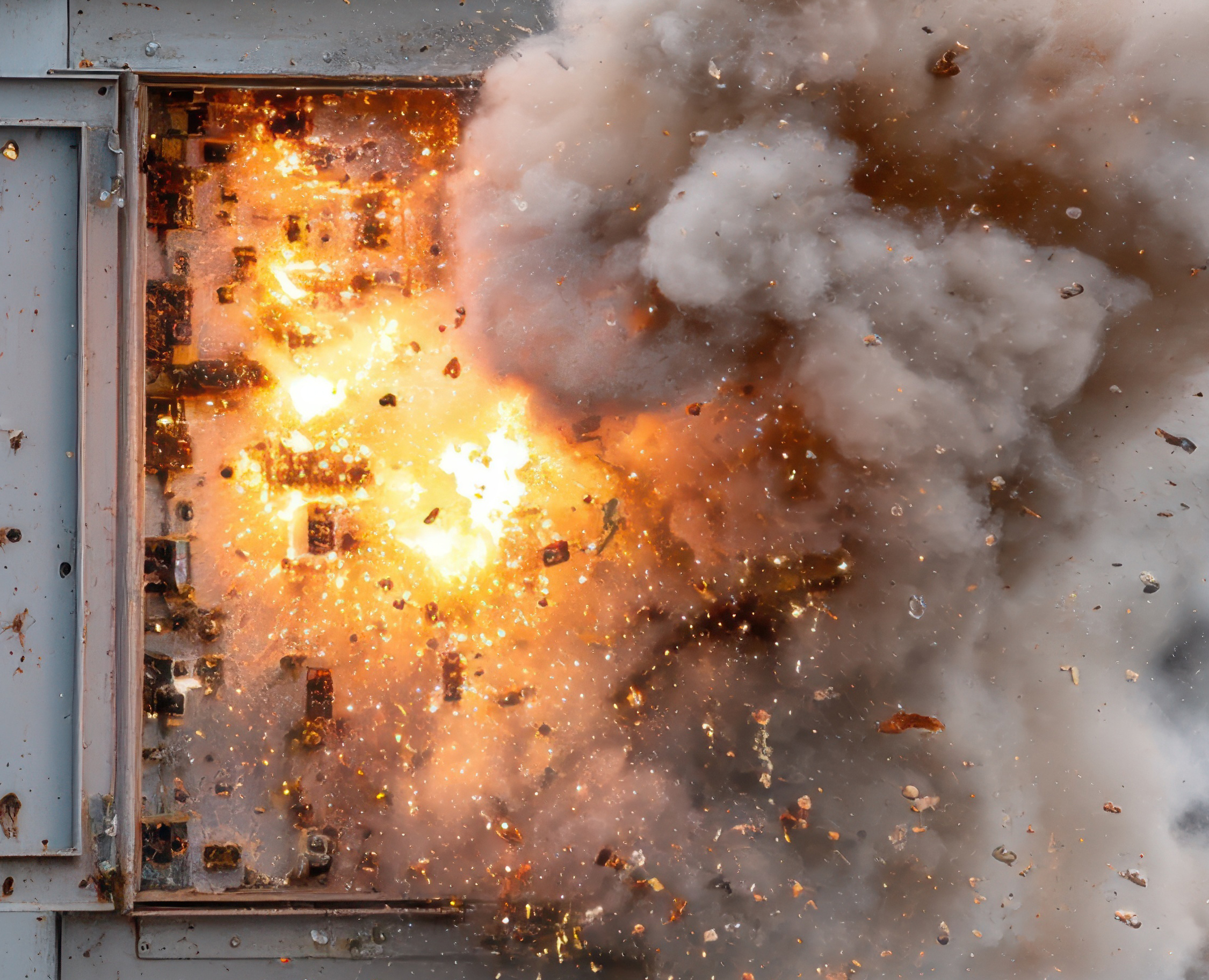
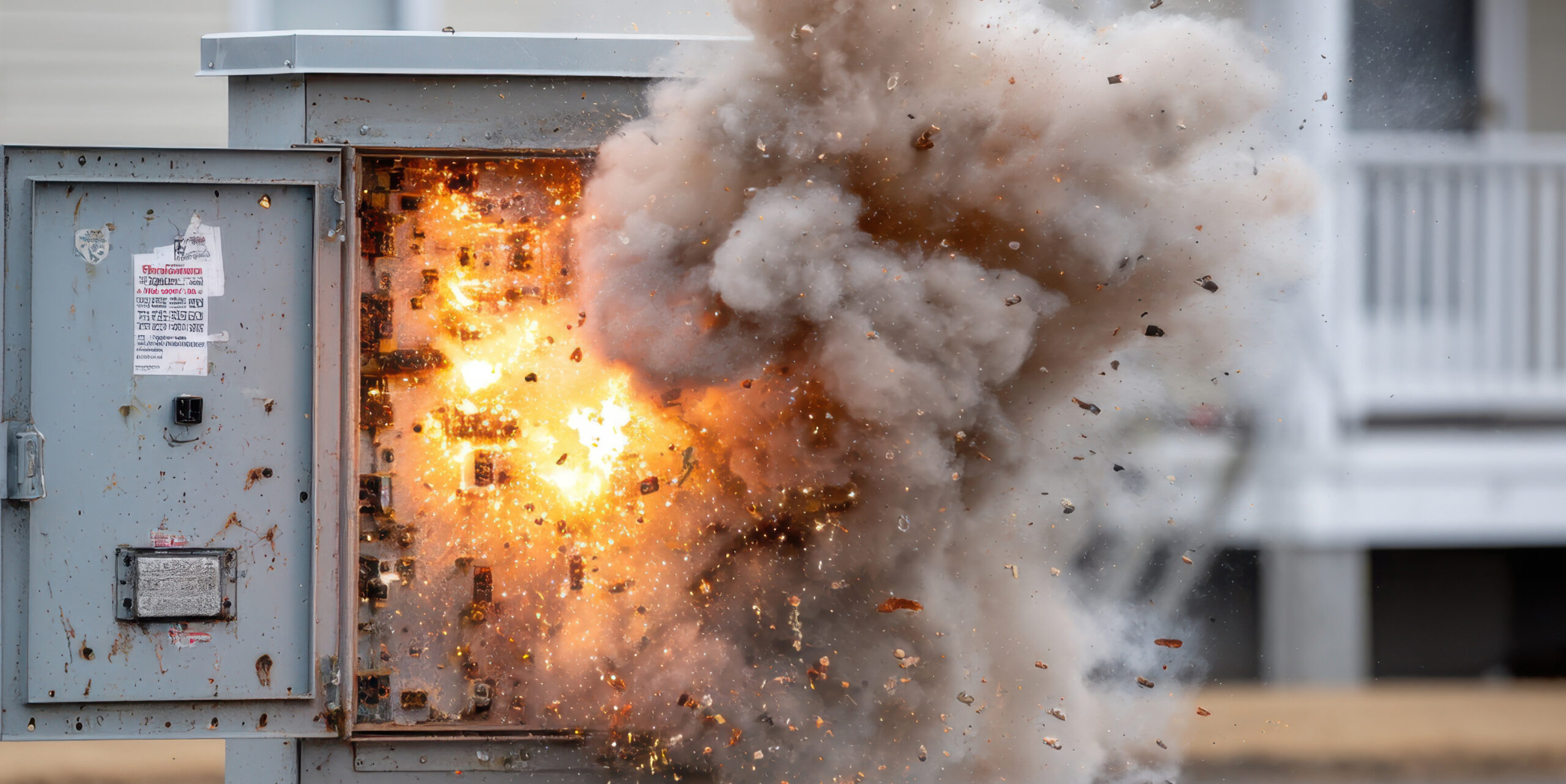
Arc-flash events are high-energy electrical faults that generate temperatures exceeding 19,000 °C (≈35,000 °F), capable of igniting or melting clothing in milliseconds. While many organisations rely on a single arc-rated outer garment, modern research and real-world incidents show that any non-arc-rated layer — whether underneath or on top — can undermine the performance of the entire protective system.
This paper outlines why layered arc protection is essential, provides technical references for arc-flash temperatures, and highlights how VAILOS — as a vertically integrated manufacturer of inherent FR / arc-flash protective fabrics and garments — is working to eliminate the excuses that lead to unsafe layering choices.
Arc-flash temperatures are well documented by independent sources. The scale of heat involved is difficult to overstate — these are not industrial fire temperatures, they are plasma-level events.
These temperatures ignite natural fibres and melt common synthetics instantly. They also penetrate multiple clothing layers simultaneously — which is why layering is a system, not just an accessory.
OSHA — Arc Flash Hazards: osha.gov/electrical/flash-hazards
Electricity Forum — Arc Flash Temperature: electricityforum.com/iep/arc-flash/arc-flash-temperature
Martins et al. — High-Current Arc Plasma Research: arxiv.org/abs/1904.01273
Arc-rated PPE is only effective when all layers — from base layer to outer garment — are arc-rated. The system fails the moment a single layer is unsafe. Understanding where the failures typically occur is the first step to preventing them.
“A protective system is only as strong as the least protective layer your worker is wearing when the arc occurs.”
Base layers are often the most dangerous point of failure. Common undergarments — polyester T-shirts, nylon sports tops, spandex thermals — melt at temperatures between 120–260 °C. That is negligible compared with arc-flash heat.
When thermal energy penetrates an arc-rated outer layer, a melting base layer can adhere directly to skin, intensify burn depth significantly, extend recovery and rehabilitation time, and cause garment break-open from the inside — dramatically increasing injury severity.
Non-FR rain jackets, cold-weather gear, or hi-vis vests worn over arc-rated garments introduce the same category of risk from the other direction. These items can ignite, melt, or channel heat in ways that defeat the tested performance of the arc-rated layer beneath.
NFPA 70E explicitly states: Outer layers worn over arc-rated PPE must themselves be flame-resistant and must not increase the risk of injury. This is not a guideline — it is a compliance requirement.
Need arc-rated base layers, mid-layers and outer shells — tested together as a system?
The three major regulatory frameworks governing arc flash PPE all reach the same conclusion: protection is only real if every layer participates. The standards differ in scope and geography, but are unified in their expectation of full-system compliance.
Clothing must not increase injury. Only non-melting natural fibres are permitted as underlayers if not arc-rated. All outer layers must be FR/AR rated.
Garments must not ignite or melt under any hazard conditions. Layering must not contribute to or worsen worker injury.
Focuses explicitly on system performance. Garments tested in isolation may not protect when layered incorrectly in real conditions.
VAILOS occupies a rare position in the arc-flash PPE landscape: a vertically integrated manufacturer designing both inherent FR / arc-protective fabrics and the finished garments made from them. This end-to-end control gives VAILOS capabilities that are directly relevant to solving the layering problem.
Because VAILOS engineers its own inherent FR fabrics, the company can reduce fabric weight while maintaining protection ratings, improve breathability and moisture management, control shrinkage, durability, and heat-transfer performance across the system, and test multi-layer garment combinations — not just individual pieces in isolation.
One of the most common reasons workers fail to wear full-layer arc protection is straightforward discomfort: too hot, too heavy, restricted movement, or layers that feel impossibly bulky in already demanding work environments.
VAILOS’ product development mission directly targets this barrier. By building lighter, more breathable arc-rated options across the full garment system, VAILOS removes the practical excuse that leads workers to make unsafe layering choices — often without fully understanding the risk.
These are not theoretical scenarios. Each represents a failure mode that has caused real injuries in workplaces where a single compliant outer layer was considered sufficient.
Worker wears an arc-rated shirt but a polyester base layer underneath. Heat penetrates — polyester melts into skin, causing severe and deep burns.
Arc-rated shirt under a non-FR hi-vis vest or rain jacket. Outer garment ignites, heat becomes trapped against the body, and the arc-rated layer ruptures beneath.
Worker removes the arc-rated mid-layer because it is too warm. Incident energy exceeds the outer garment’s rated capability — a preventable, compliance-driven injury.
Implementing full-layer arc protection is a policy and procurement decision as much as a technical one. These six practices form the foundation of a compliant, practical approach.
Arc-flash incidents expose workers to thermal conditions that are orders of magnitude beyond the ignition or melting point of everyday clothing materials. A single arc-rated garment cannot protect a worker whose under- or over-layers melt, ignite, or compromise the integrity of the garment system as a whole.
Full-layer arc protection is no longer optional — it is fundamental to worker safety and regulatory compliance. VAILOS contributes to this mission by developing lightweight, comfortable, inherently FR garment systems specifically designed to remove the barriers that have traditionally led workers to wear unsafe layers.
By combining scientific understanding of arc hazards with integrated fabric-to-garment engineering and a vertically controlled supply chain, VAILOS supports a future in which every worker can be fully protected — comfortably, consistently, and without exception.
Ready to build a complete arc-rated layering system?
Our PPE specialists will assess your hazard environment and specify the right Vailos solution — from inherent FR base layers through to tested outer shells, delivered to your team’s doorstep.