
PPE for
Explosive Environments
In a classified atmosphere, a static spark is as real a hazard as flame or arc. Here’s what changes in the specification – and why.
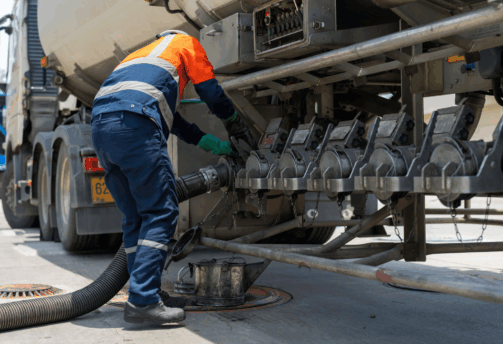
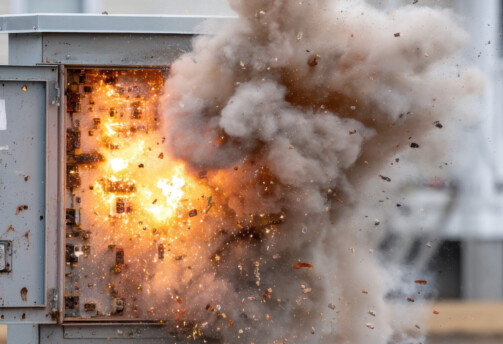
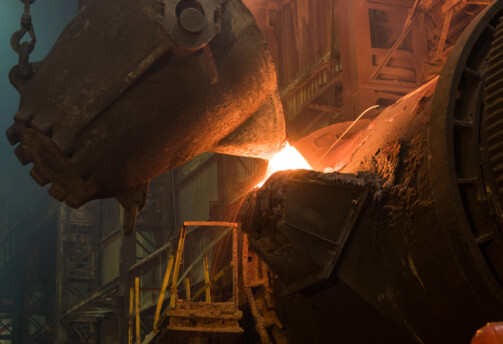
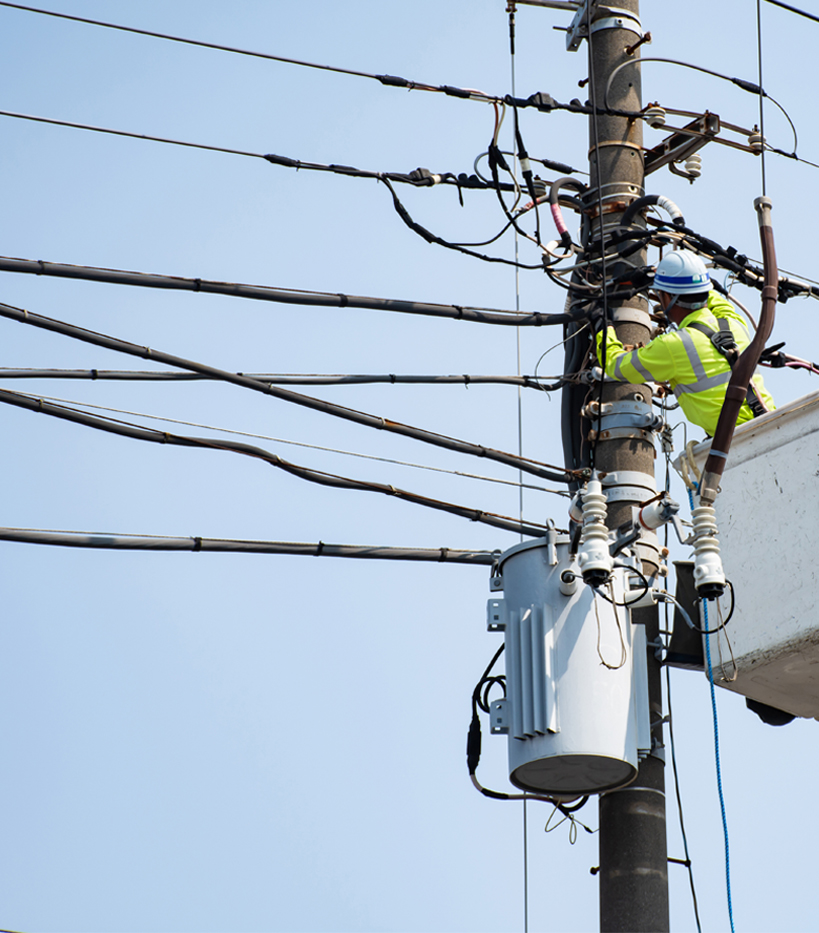
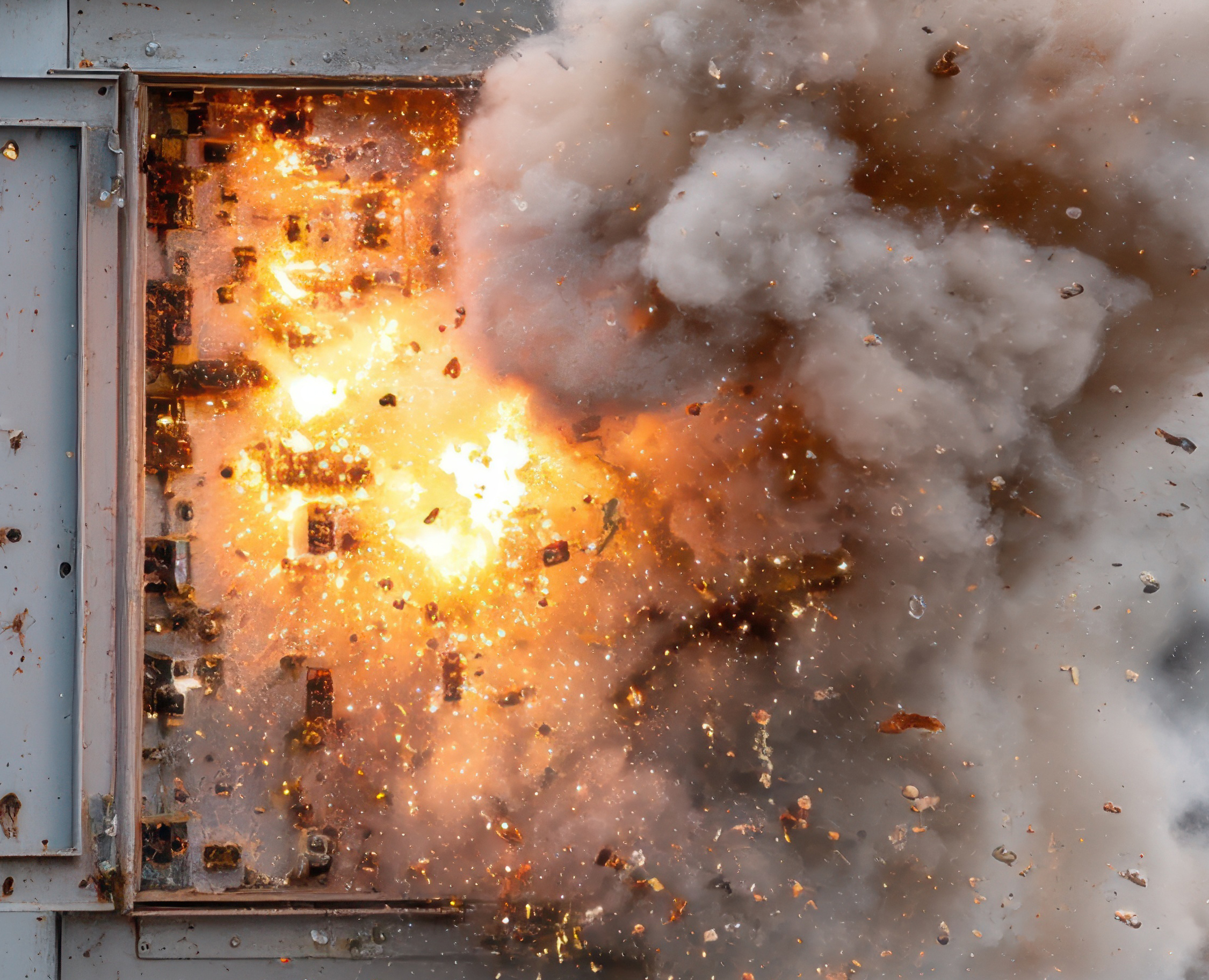
A site is classified as an explosive atmosphere when flammable gas, vapour or combustible dust can mix with air in concentrations that only need an ignition source to go wrong – oil and gas facilities, chemical plants, grain and powder handling, and parts of the utilities sector all fall into this category. PPE for explosive environments has to do a job that certified arc flash clothing alone doesn’t cover: it has to stop the wearer’s own clothing from becoming that ignition source.
Ordinary synthetic fabrics generate and hold static charge through everyday movement – walking, removing a jacket, even brushing against equipment. In a normal environment that’s a minor nuisance. In a classified atmosphere, a static discharge is a genuine ignition risk, which is why anti-static performance sits alongside arc flash protection as a core specification requirement, not an optional extra.
EN 1149 is the European standard covering the electrostatic properties of protective clothing. Garments and accessories built to it are designed to dissipate static charge safely rather than let it build up and discharge suddenly.
Anti-static performance is a property of the fabric and construction, not something an accessory can add after the fact. That’s why Vailos builds anti-static protection into the base fibre of garments and accessories rather than treating it as a coating or an afterthought – the VAILOSg HOYERSWERDA merino wool balaclava, for example, combines inherent arc flash protection with anti-static protection in a single 225 gsm fabric, built for firefighting and high-risk industrial use where both hazards are present at once.
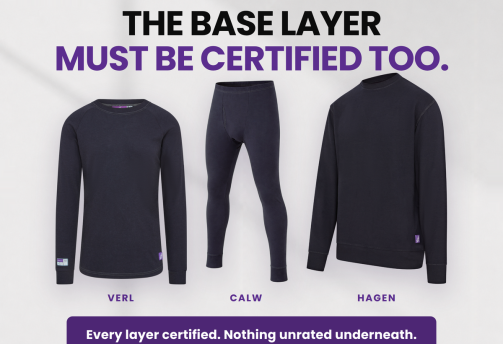
The same logic applies to the base garment. A full anti-static arc flash coverall like the VAILOSg HEMER is built so the fabric itself dissipates static charge, alongside its ELIM 8.1 / ATPV 9.5 arc rating – so the layer closest to the wearer isn’t the weak point in a classified area.
In a classified atmosphere, the clothing itself is part of the ignition control plan – not just protection against a hazard that’s already started.
Many explosive-environment sites fall under the ATEX Directive’s equipment and workplace requirements, which is a useful checkpoint for a PPE review even where clothing itself sits outside ATEX’s own equipment categories – if the site is ATEX-classified, anti-static PPE performance should already be part of the site’s documented risk assessment, not something requested separately by whoever orders the workwear.
Anti-static properties degrade with wear, washing and repair. A garment specified correctly on day one can fall out of compliance over its working life – care and inspection routines matter as much as the initial specification.
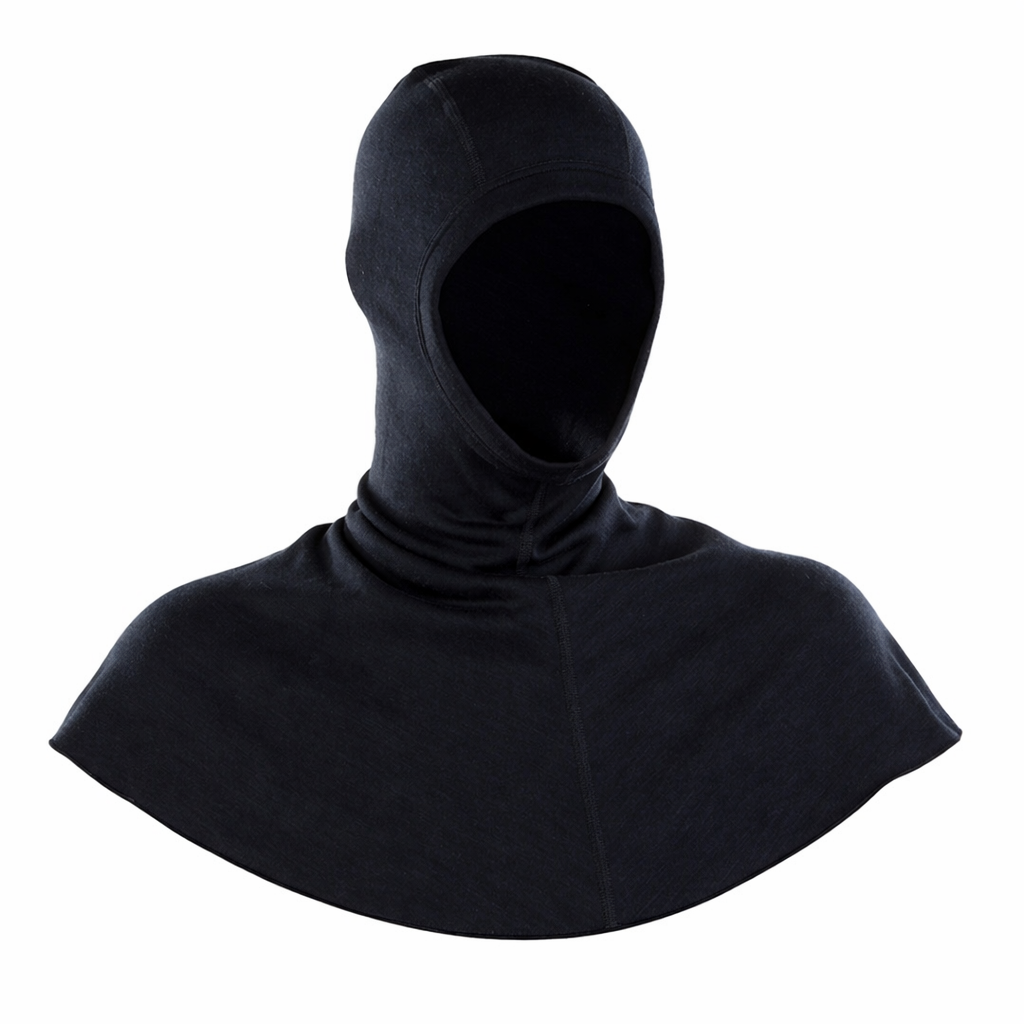
Combines inherent arc flash protection with anti-static protection in a single fabric, built for firefighting and high-risk industrial use.
View product →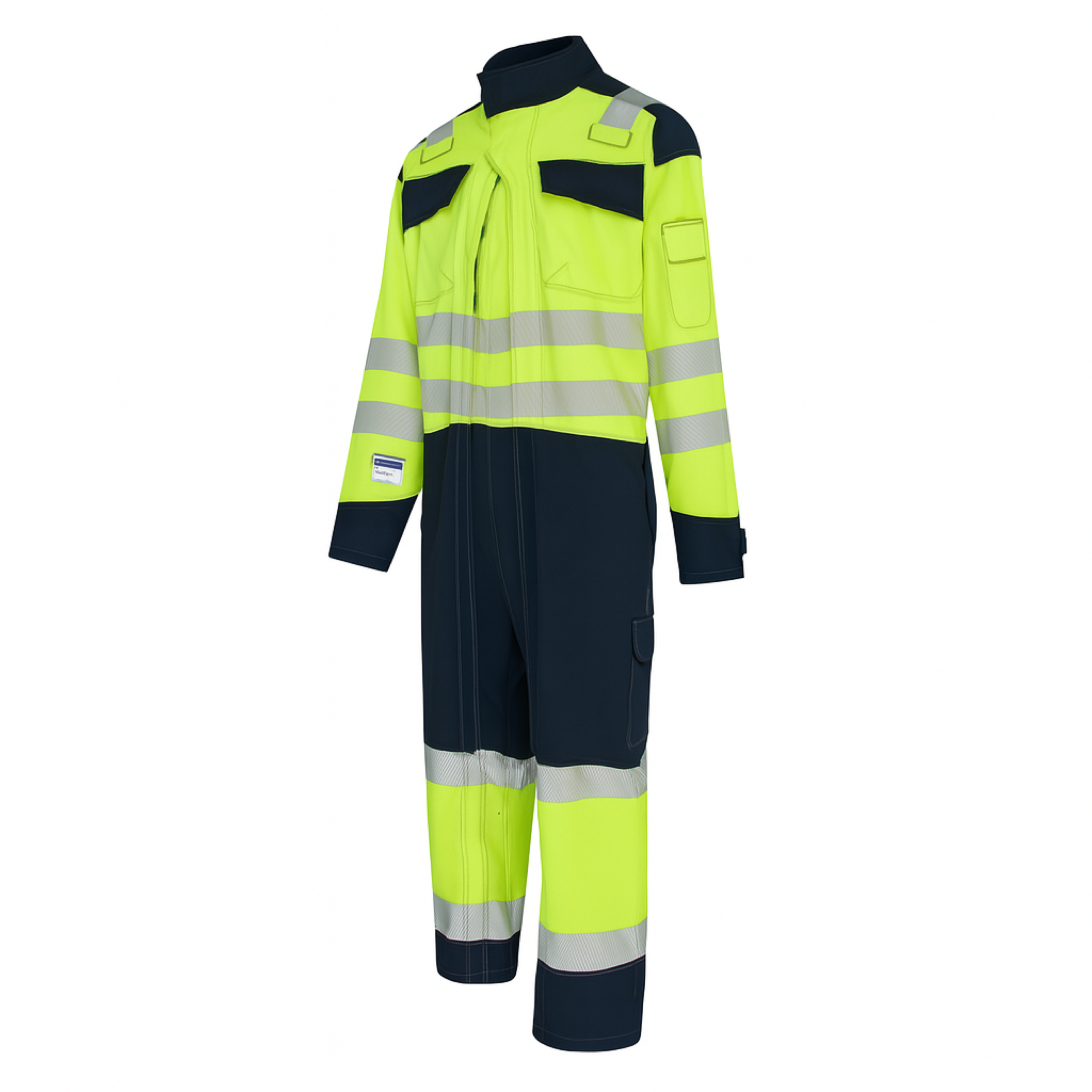
A full anti-static arc flash coverall – the base garment for classified-area work, where the fabric itself has to dissipate static charge, not just resist arc.
View product →Get the anti-static and hazard cover right in one specification
What standard covers anti-static PPE?
EN 1149 covers the electrostatic properties of protective clothing in Europe. Garments and accessories built to it are designed to dissipate static charge safely rather than let it build up and discharge suddenly – the property that matters most in a classified explosive atmosphere.
Is anti-static PPE the same as arc flash PPE?
No – they address different hazards and a garment needs both in a classified atmosphere. Arc flash protection guards against an ignition event that’s already happened; anti-static performance helps stop the wearer’s own clothing from becoming the ignition source in the first place.
Does anti-static PPE performance wear out?
Yes. Anti-static properties can degrade with repeated washing, wear and repair, which is why a documented care and inspection routine matters as much as the initial specification – a garment that was compliant on day one isn’t guaranteed to stay that way.
What does ATEX have to do with PPE specification?
The ATEX Directive classifies areas and equipment for explosive atmospheres. Where a site is ATEX-classified, anti-static PPE performance should be part of the site’s own documented risk assessment, and PPE choices should be checked against that assessment rather than specified in isolation.
Anti-static, flame and arc
in one specification
Talk to us about fabric-level anti-static protection for classified sites, and mixed-hazard garments that cover arc flash and chemical splash in one piece.