Arc Flash Does Not Take a
Summer Break
Arc flash risk is year-round. The real summer problem is not risk — it is compliance failure. Workers remove their arc flash garments because they are too hot and heavy. That is a specification failure. Vailos makes the lightest certified arc flash garments on the UK market, built specifically to solve it.

Workers on a hot summer site — arc flash garments removed
Every summer, the same thing happens on sites across the UK. Temperatures climb. Arc flash garments come off. Managers issue reminders. Workers acknowledge them. The garments stay off.
This is not a discipline failure. It is a specification failure. When a team is consistently removing their arc flash garments in summer, the garments were not designed for summer. They are too heavy, too hot, too much for a person to wear through a nine-hour shift in direct sunlight or in an unventilated substation.
The instinct to remove a garment in heat is human. The specification failure that makes that garment unbearable is an engineering decision made upstream. Arc flash risk does not reduce when the temperature rises. Fault current does not take a summer break. The physics of an arc flash event — the pressure wave, the radiant heat, the molten metal — operate identically at 30°C as they do at 0°C. What changes is the worker’s tolerance for wearing the protection that stands between them and those forces.
Compliance failure is baked in at the point of purchase — not at the moment a worker removes a jacket on a hot afternoon. Specifying arc flash garments without accounting for wearability in summer conditions is incomplete specification.
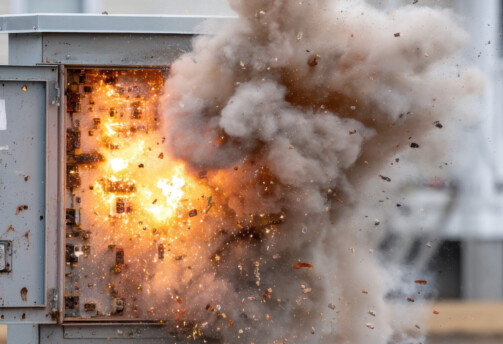
65kA Arc Fault Test — See What an Arc Flash Event Does to a Garment
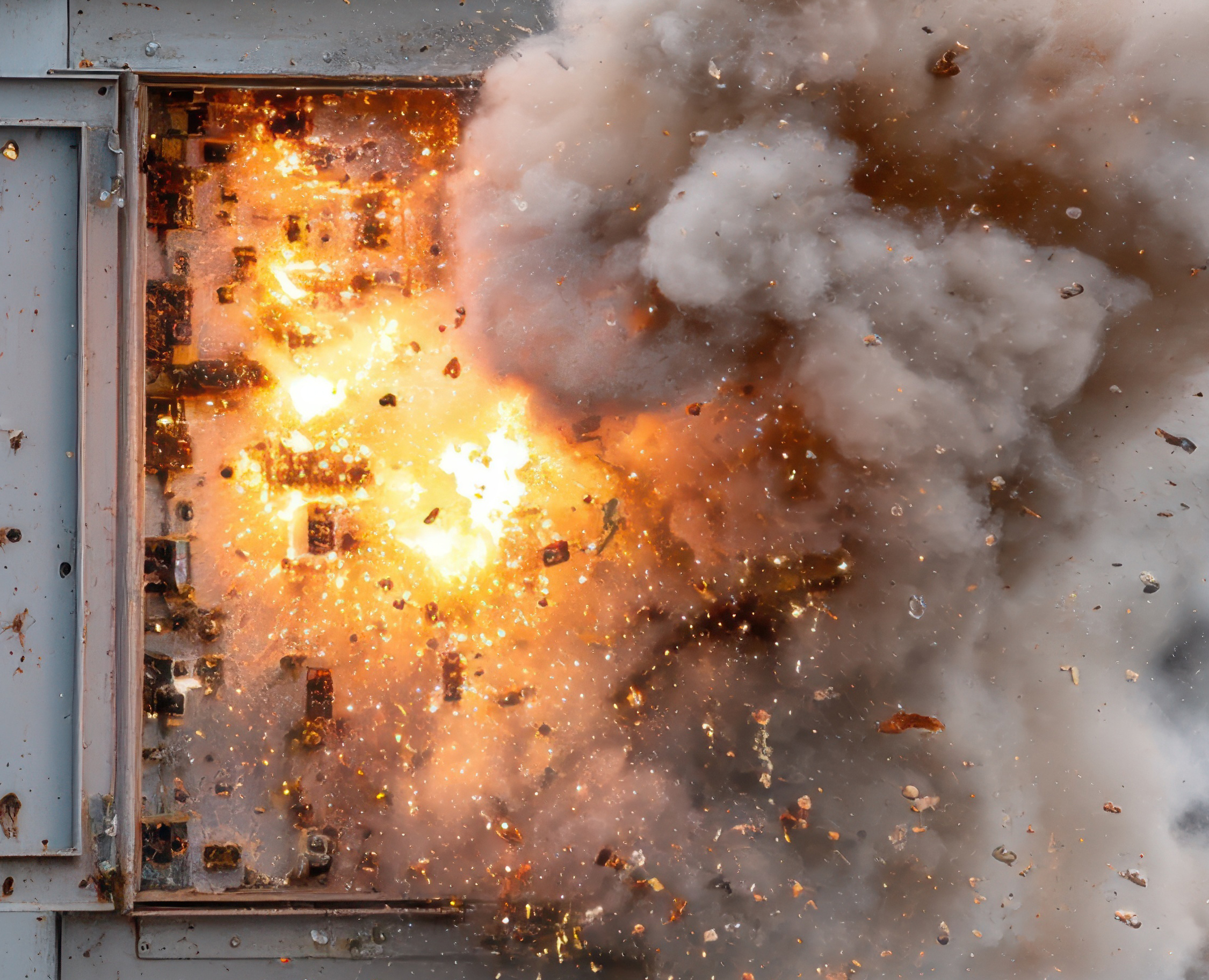
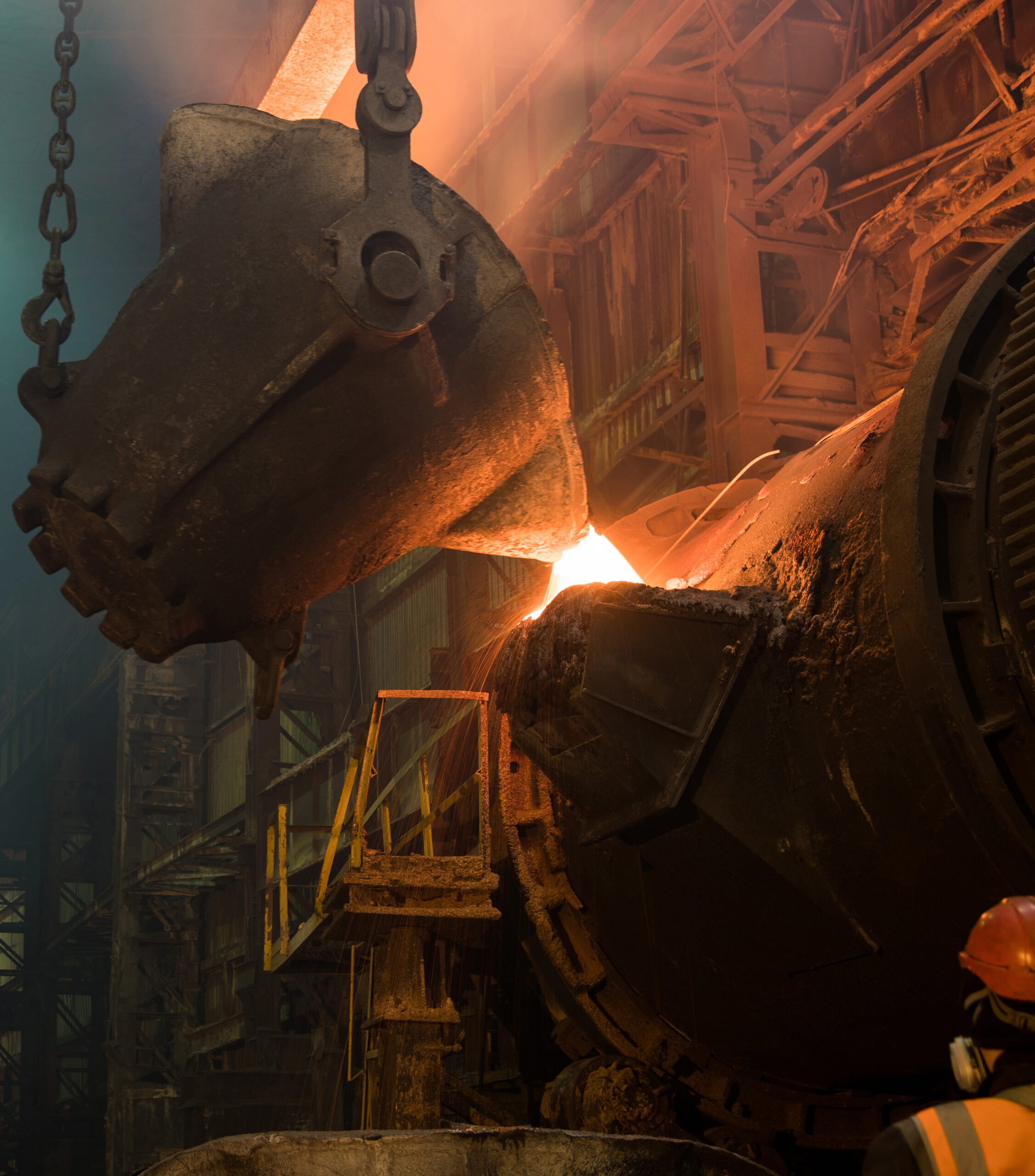
An arc flash event generates temperatures exceeding 19,000°C — roughly four times the surface temperature of the sun. It is not a brief spark. An arc flash is a sustained event: a plasma arc that, once initiated, sustains itself across open air and continues to expand until interrupted by an overcurrent protection device, or until it has destroyed everything within its incident energy boundary.
The incident energy at any given point from an arc flash event is measured in calories per square centimetre (cal/cm²). One cal/cm² is the threshold at which bare skin will receive a second-degree burn. Most UK industrial arc flash events produce incident energies significantly above this threshold.
“Vailos has published footage from a 65kA arc fault test on the Vailos LinkedIn page. The figure exposed to the arc event is a mannequin — a stand-in for a person. The garment performs or the person does not survive intact.”
Fabric weight is measured in grams per square metre (gsm). It is the single most important thermal comfort variable in arc flash garments for warm-weather working. Most arc flash garments currently sold in the UK sit between 250gsm and 280gsm. At those weights, a garment is perceptibly heavy against the skin, reduces airflow, and dramatically increases the thermal load on the wearer in warm conditions.
The common assumption in the arc flash PPE market is that heavier fabric means better protection. This is false. What determines arc flash protection is not fabric weight but fabric construction — specifically, whether the arc flash protection is inherent or treated.
Inherent arc flash protection is built into the fibre itself — a characteristic of the molecular structure of the yarn, not a chemical treatment applied to the surface. This distinction matters for one specific reason: inherent protection cannot wash out. A treated fabric loses protective performance over repeated laundering cycles. An inherently protective fabric delivers identical arc flash performance after two years of industrial washing as it does on day one.
Built into the molecular structure of the fibre. Cannot wash out. Identical arc flash performance after two years of industrial laundering as on day one.
Applied as a chemical finish to the surface of the fabric. Performance degrades over repeated washing cycles. The arc rating on the label becomes unreliable over time.
A 175gsm inherently protective garment delivers certified APC 1 protection. A 280gsm treated garment removed by noon delivers none.
All Vailos arc flash garments use inherent protection — built into the fibre, not applied to the surface. The arc rating on every Vailos certification label remains valid for the life of the garment.
Four garments. Every wearability context covered. From the lightest certified arc flash polo on the UK market to a single coverall that meets every major concurrent hazard standard.
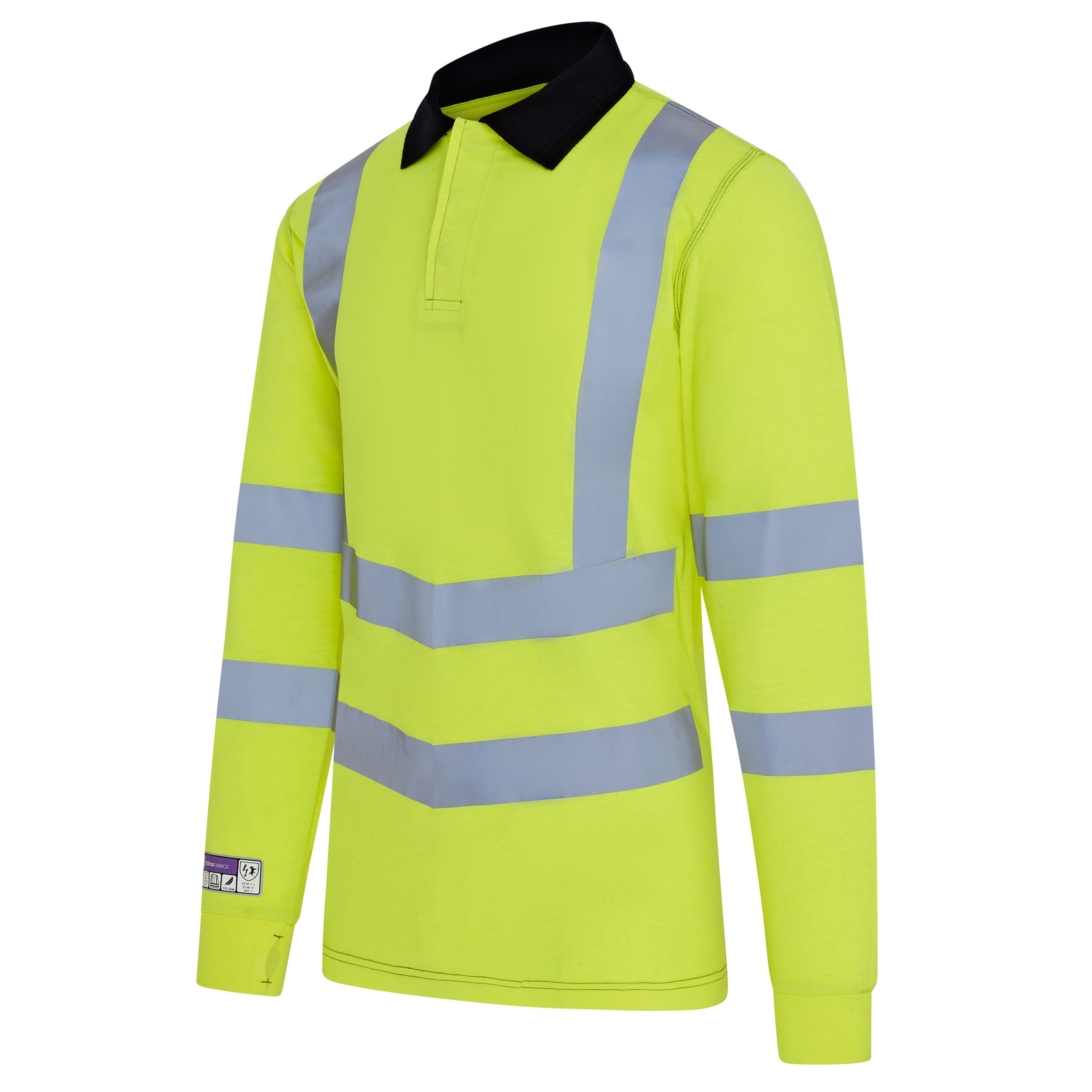
175gsm · ATPV 7.1 cal/cm² · ELIM 5.0 cal/cm² · APC 1 · EN ISO 11612 · EN ISO 20471 Class 3 · EN 1149 · HV Yellow · Unisex
The lightest certified arc flash garment on the UK market. Inherent protection, EN ISO 20471 Class 3 high visibility, and EN 1149 electrostatic dissipation — in a polo that weighs less than a standard cotton shirt.
£52.95
✓ In stock · Next day UK delivery
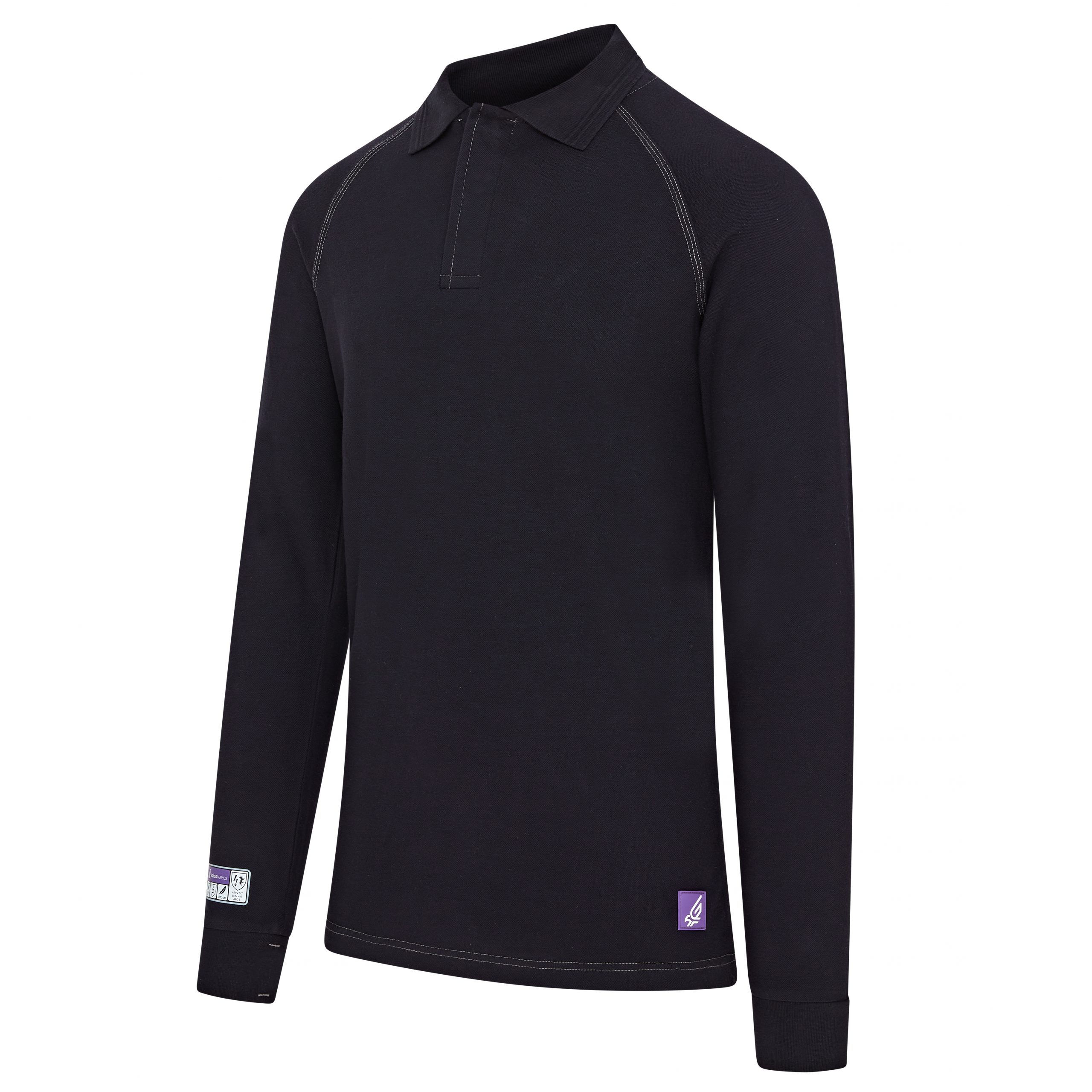
210gsm · ATPV 5.7 cal/cm² · ELIM 4.6 cal/cm² · APC 1 · EN ISO 11612 A1A2B1C1F1 · EN 1149 · Navy · Men’s
Wears like a standard workwear polo. The ERFURT exists to remove the comfort excuse. It looks and feels like the kind of garment already in most workers’ wardrobes. The arc flash certification is built into the fibre.
£39.95
✓ In stock · Next day UK delivery
200gsm · ATPV 9.5 cal/cm² · ELIM 8.1 cal/cm² · APC 1 · EN ISO 11612 A1A2B1C1F1 · EN 1149 · Navy · Men’s
The lightest APC 1 arc flash trouser on the UK market. Certified across limited flame spread, convective heat, radiant heat, and contact heat. For electrical teams who need a complete arc flash ensemble without the thermal burden.
£92.95
✓ In stock · Next day UK delivery
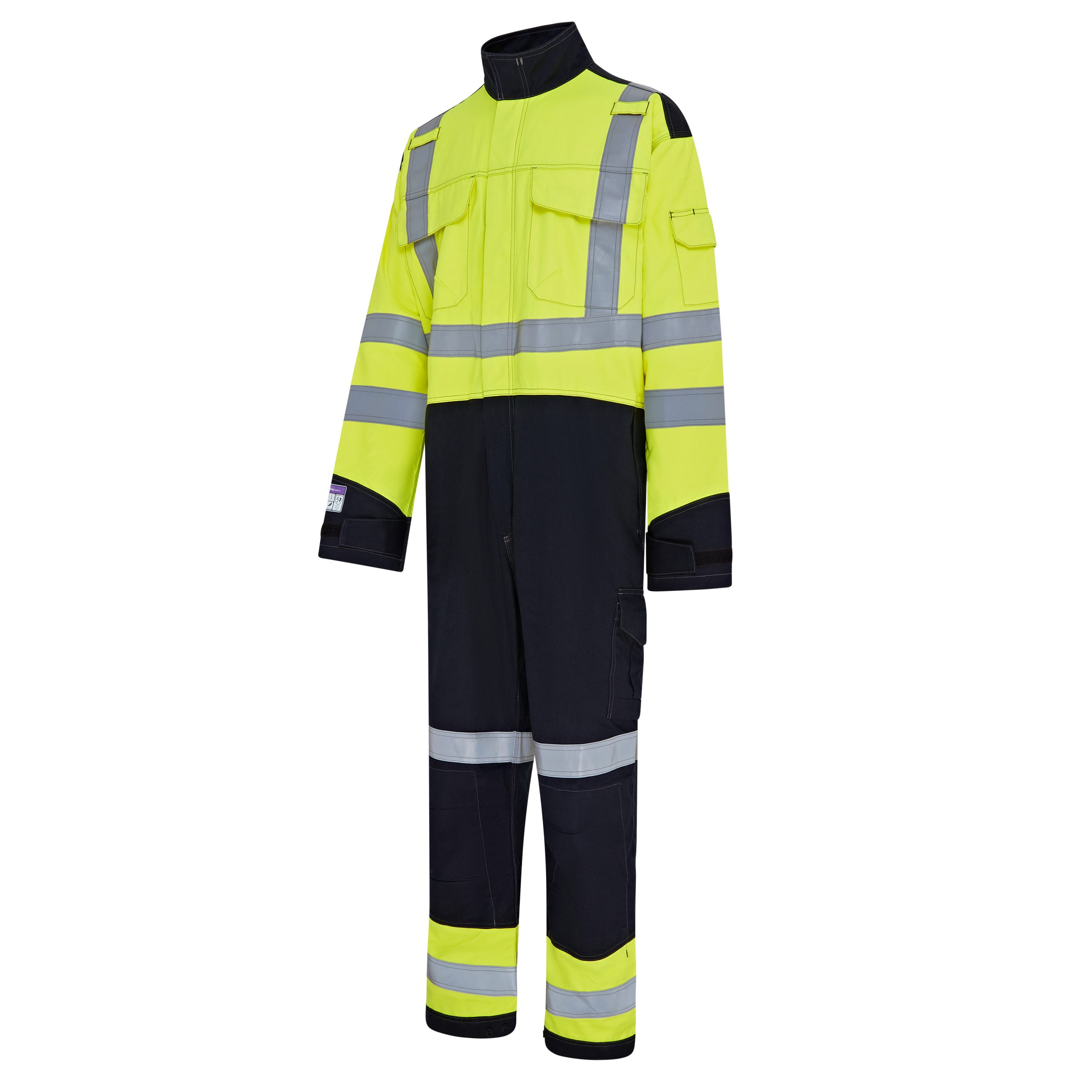
240gsm · ATPV 10 cal/cm² · ELIM 9.5 cal/cm² · APC 1 · EN ISO 11612 A1A2B1C1F1 · EN ISO 11611 C1 · EN ISO 20471 Class 3 · EN 1149 · EN 13034 · HV Yellow/Navy · Men’s
Arc flash, welding, chemical splash, electrostatic dissipation, and EN ISO 20471 Class 3 high visibility. One garment. Every certification. For utilities, oil and gas, and rail infrastructure teams.
£175.95
✓ In stock · Next day UK delivery
Need help specifying the right arc flash garments for your team this summer?
EN 61482-1-2 is the primary arc flash garment test standard in Europe. It uses a box arc test method, exposing the garment to a constrained arc under controlled laboratory conditions. APC 1 covers the lower incident energy range. APC 2 covers higher incident energy environments. The APC classification is a minimum threshold — the actual garment arc rating, expressed as ATPV or ELIM in cal/cm², defines the specific performance of that individual garment.
ATPV — Arc Thermal Performance Value — is the incident energy level at which there is a 50% probability of the garment causing a second-degree burn through the fabric. ELIM — Energy of Breakopen Threshold — is the incident energy level below which the material does not break open in testing. Where both values are provided, the lower is the effective protective limit. Both are expressed in cal/cm².
EN ISO 11612 is the heat and flame protection standard for industrial protective clothing. The letter codes define which heat transfer mechanisms the garment has passed: A1 and A2 — limited flame spread. B — convective heat. C — radiant heat. D — molten aluminium splash. E — molten iron splash. F — contact heat. EN ISO 20471 Class 3 is the highest high visibility classification, mandatory for the highest-risk road traffic environments and specified in current Network Rail and National Highways standards. EN 1149 covers electrostatic dissipation. RIS-3279-TOM is the Railway Industry Standard for PPE in the UK operational railway, referencing EN 61482-1-2 APC 1 as the minimum arc flash classification for rail operative PPE.

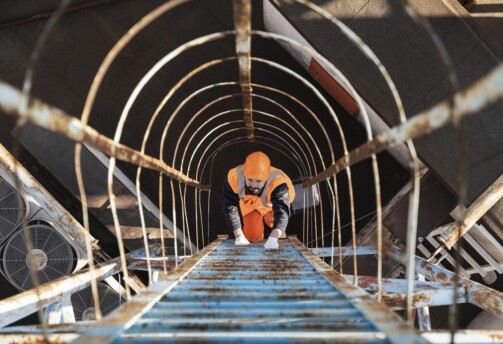
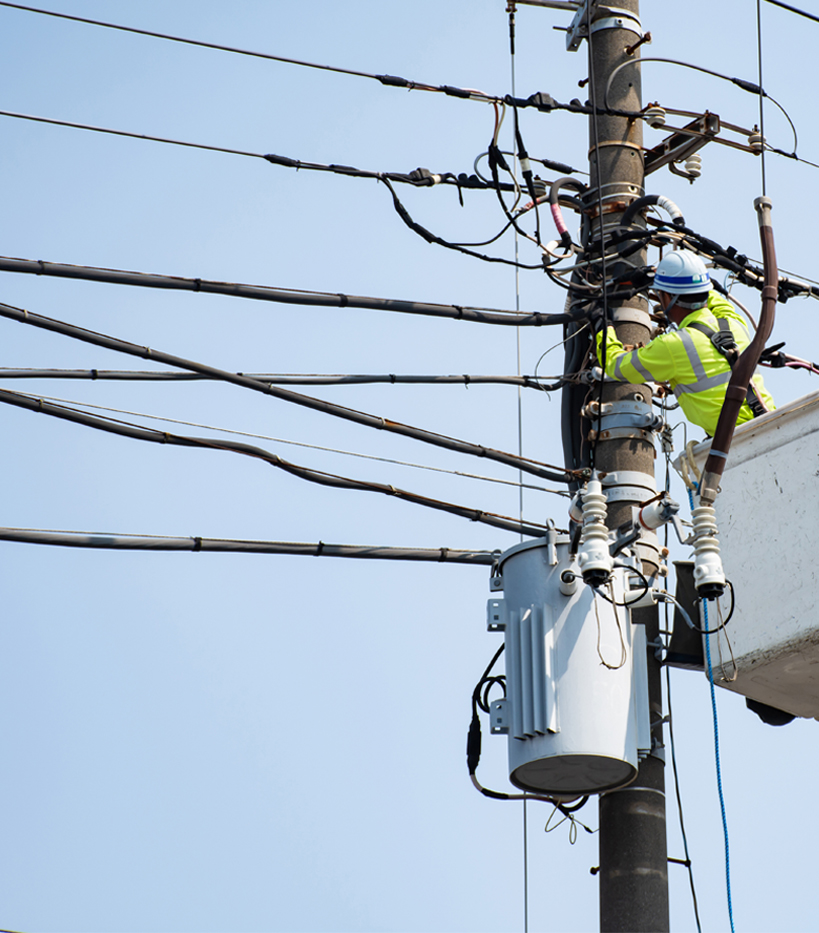
Electrical site in summer — arc flash risk is year-round regardless of temperature
The Vailos supply chain begins on the cotton farm and ends with a certified arc flash garment leaving a UK warehouse on a next day delivery vehicle. This is not a marketing position. It is a manufacturing structure — vertical integration from raw fibre to finished certified product that gives Vailos quality control unavailable to brands that buy fabric from third-party mills and apply OBM certifications to another manufacturer’s product.
Vailos operates across more than 100,000 acres of cotton farming, with in-house spinning, weaving, dyeing, finishing, and garment construction across facilities employing more than 15,000 machinists. The manufacturing process runs on a patented water recirculation system that achieves 100% reuse of process water — zero waste discharge. More than 200 quality control protocols are applied to every garment across the production process.
The certifications on every Vailos garment are Vailos’s own Mod B certifications — owned, maintained, and renewed by Vailos. Not OBM certifications. Not borrowed labels applied to another manufacturer’s fabric. Full farm-to-door traceability is maintained across every garment in the range.
“From Cotton to Certified. This is not a phrase. It is a description of how every garment in the Vailos summer range is made.”
Ready to specify arc flash garments built for summer?
Talk to the Vailos team directly. We will assess your arc flash risk level, identify concurrent hazard requirements, and specify the right garments — in stock and on your doorstep next day.