
Chemical Protection & ARC Flash Garments:
EN 13034 Explained
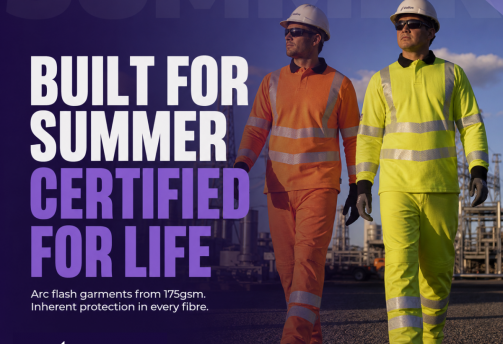
In many industrial environments, workers face chemical splash risk and arc flash exposure simultaneously. A single certified multi-risk garment — not two separate layers — is the right answer.
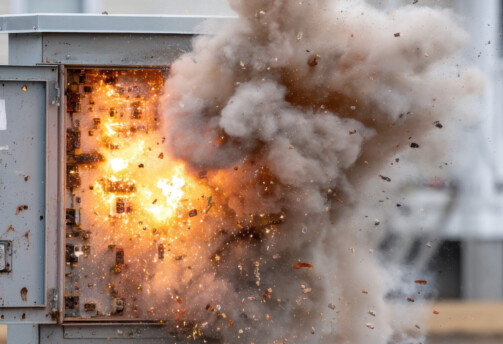
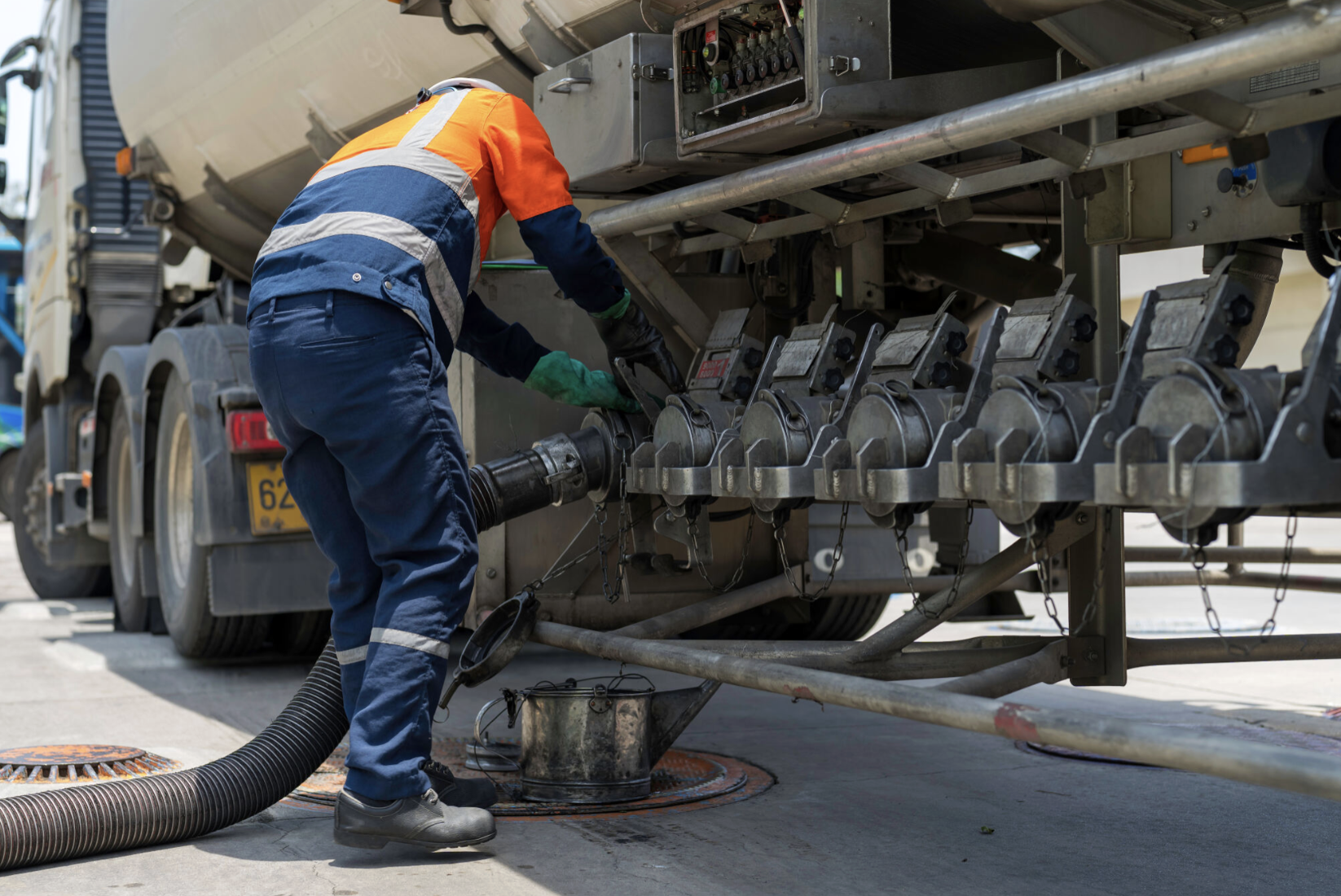
Chemical processing plants, utilities, maintenance facilities, and manufacturing sites often present a combination of electrical arc flash risk and chemical splash exposure. Addressing only one hazard while ignoring the other is a compliance failure — and a safety one.
To address this, selected VAILOS ARC flash garments incorporate chemical protection to EN 13034, creating a multi-risk solution that helps protect wearers from both hazards simultaneously — without the burden of layering incompatible garments.
EN 13034 is the European standard for protective clothing offering limited protection against liquid chemicals. It applies to garments designed to protect against occasional, low-volume chemical splashes or sprays — rather than continuous immersion or heavy exposure.
This standard is particularly relevant in environments where chemicals are handled intermittently, splash risk is present but controlled, and full chemical suits are not required or practical. It is a proportionate response to a real but bounded hazard.
EN 13034 classifications: Type 6 covers full garments with limited chemical splash protection. Type PB [6] covers partial body protection — such as jackets or trousers — for environments where only certain areas of the body require coverage.
Certain VAILOS ARC flash garments are engineered to combine ARC / FR protection for electrical hazards with EN 13034 chemical splash resistance as an additional layer of safety — in a single certified garment.
“Rather than layering multiple incompatible garments, a single certified multi-risk garment improves comfort, mobility, and compliance.”
Live electrical systems and chemical handling coexist. A dual-certified garment eliminates the need to change PPE between tasks.
Power generation and distribution sites often involve chemical storage and treatment alongside electrical infrastructure.
Shutdown and maintenance operations frequently involve both electrical isolation work and exposure to process chemicals.
Chemical protection under EN 13034 is typically achieved through special fabric finishes or treatments that cause liquid chemicals to bead and run off the fabric surface. The fabric construction is tested for both penetration resistance and repellency performance to confirm it meets the standard.
This level of protection is designed to reduce the likelihood of chemicals reaching the skin during accidental splashes, allowing the wearer time to react and follow site safety procedures — not to provide indefinite resistance to sustained chemical exposure.
An important practical advantage of EN 13034 chemical protection is that, depending on fabric type and finish, the chemical-repellent treatment can be reapplied during the lifetime of the garment — typically as part of the industrial washing or garment care process.
Important: Surface treatments degrade over time due to laundering and wear. Correct reproofing is an essential part of garment management — not an optional extra. Failing to reapply treatments when needed will compromise EN 13034 performance and may render the garment non-compliant.
Need ARC-rated garments that also carry EN 13034 chemical splash certification?
Combining chemical protection with ARC flash performance requires specialist expertise. This is not a case of applying a finish to any arc-rated fabric — it demands careful engineering from the outset to ensure both certifications are achieved and maintained.
Chemical finishes must be compatible with the FR fabric substrate. Some treatments can reduce inherent flame resistance if incorrectly applied.
Garments must maintain certification to both ARC/FR and EN 13034 standards simultaneously — tested as a complete system, not as separate components.
Multi-risk garments must remain breathable, durable, and comfortable enough to be worn consistently — otherwise behavioural non-compliance becomes the real risk.
When selecting garments for environments with both chemical and electrical hazards, these four practices form the foundation of a compliant and practical specification.
VAILOS designs multi-risk garments with real-world industrial environments in mind. By combining ARC flash protection with EN 13034 chemical splash resistance, we help customers specify garments that deliver clear compliance, reduced complexity, and confidence for safety managers and wearers alike.
As a vertically integrated manufacturer controlling both fabric development and finished garment production, VAILOS can engineer chemical repellency treatments that are compatible with inherent FR performance — tested together, certified together, worn together.
One garment. Two certifications. No compromise. VAILOS multi-risk garments are designed so that achieving EN 13034 chemical protection does not come at the cost of ARC flash performance — or wearability.
These are the questions safety managers and procurement teams most commonly ask when specifying chemical and arc flash multi-risk PPE.
Can an ARC flash garment also provide chemical splash protection?
Yes — but only if it has been engineered and certified for both from the outset. Chemical protection cannot be added to an existing ARC garment after production without risking both certifications.
What does EN 13034 Type 6 protect against?
Occasional, low-volume liquid chemical splashes and sprays. It is not designed for heavy or sustained exposure — it gives the wearer time to react and follow site safety procedures.
What is the difference between Type 6 and Type PB [6]?
Type 6 is a full garment. Type PB [6] is partial body — a jacket or trousers alone, where only specific body areas require chemical coverage.
How often does the chemical repellent treatment need reapplying?
It depends on fabric type and wash frequency. Follow the manufacturer’s care label. A simple test: if water no longer beads on the surface, it’s time to reproof.
How do I verify a garment is genuinely EN 13034 certified?
Check the sewn-in technical label. It must state EN 13034 and the applicable type. If it’s not on the label, it’s not certified — regardless of what the supplier says.
Which industries most need combined ARC flash and chemical splash PPE?
Chemical processing, utilities, power generation, and industrial maintenance — anywhere live electrical systems and chemical handling share the same workspace.
Ready to specify a multi-risk ARC & chemical system?
Our PPE specialists will assess your arc flash and chemical hazard environment and specify the right Vailos solution — engineered from the outset for both certifications, delivered to your team.